
The argument in favor of using filler text goes something like this: If you use any real content in the Consulting Process anytime you reach.
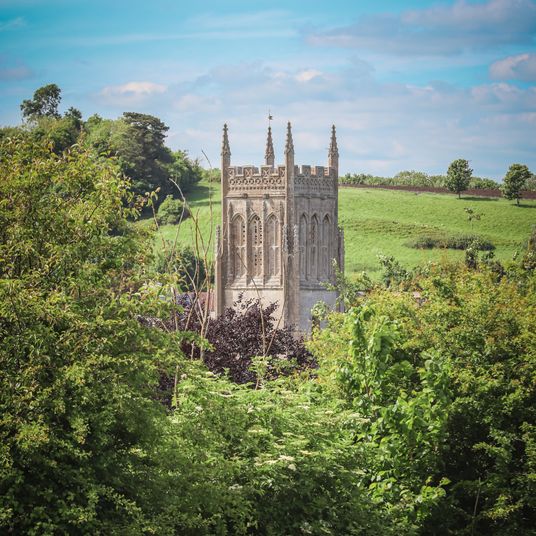

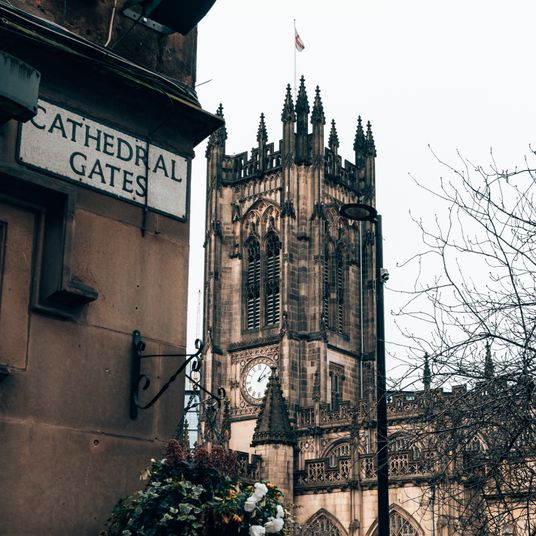
Tracing the History of a Local Church Tower
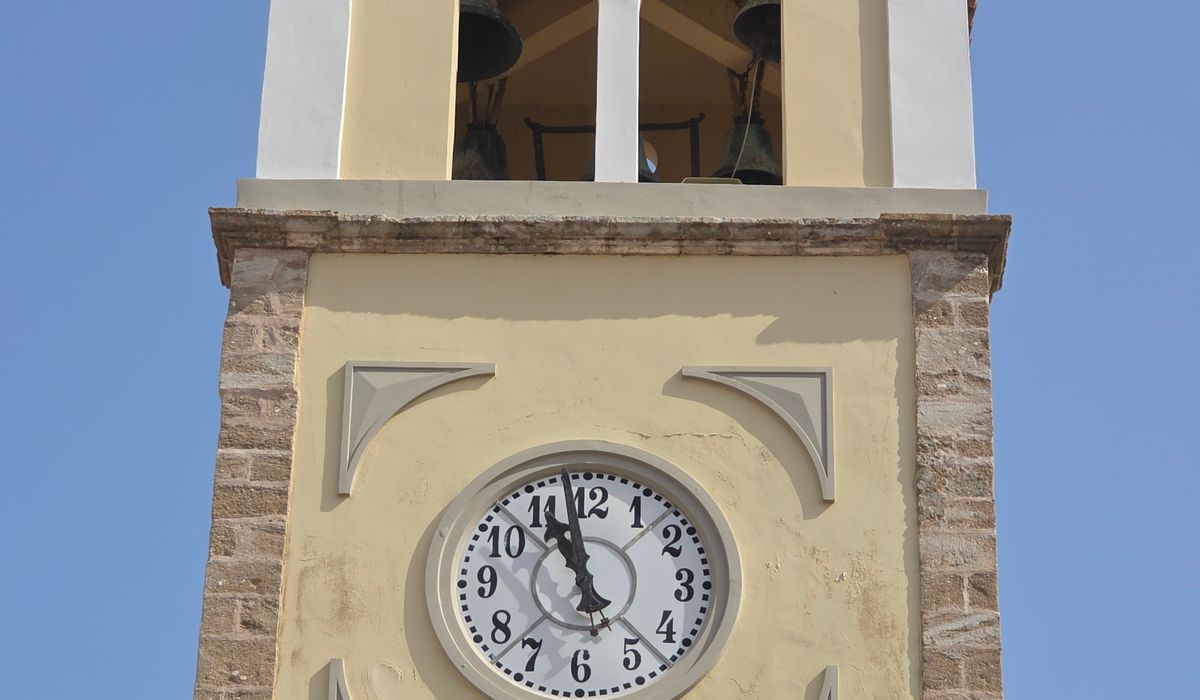
Begin with the fabric, not the paperwork
Before you open a single archive box, spend an hour in the churchyard. Walk round twice and note where the masonry changes. A straight joint, where one wall abuts another, almost always marks a change of build or a later addition. So does a sudden switch from coursed rubble to squared ashlar, or re-used stone, such as a fragment of Norman chevron built upside down into a Perpendicular wall.
Look for the small things that carry dates and clues:
- Diagonal buttresses at the western corners usually point to a fifteenth-century tower; earlier ones are broader and flatter.
- Putlog holes, the square sockets left by scaffolding poles, show where work stopped and started.
- A dated stone, a scratch dial, a mass clock or a sundial on the south face; benchmarks and graffiti record later surveyors and, occasionally, bored bellringers.
Photograph everything, including details that seem dull, and sketch the outline, marking each string course. Those notes will make sense of the documents later.
The guidebook, the noticeboard and the church chest
Buy the church guidebook first, even if it is thin and printed in 1974. They are uneven, but often preserve details of a Victorian restoration recorded nowhere else, and they name incumbents and dates of major works. Treat every date in them as a claim, not a fact.
Then ask, politely, whether the parish keeps a church chest or a cupboard of historic paperwork. Many do. Look for:
- An inspection or quinquennial report, which often contains an architect's summary of the tower's phases.
- A terrier, the bishop's inventory of church property, which will name a tower or steeple if one existed then.
- Faculty papers, the diocesan permissions for alterations — gold dust for dating a new ringing floor or a rebuilt parapet.
With those in hand, the county record office or diocesan archive will make far more sense; take the guidebook with you.
Parish records, wills and churchwardens' accounts
Churchwardens' accounts are the most rewarding source of all. Where they survive, from the sixteenth century onwards, they record payments for stone, lime, lead, timber and scaffolding, and the men who did the work. An entry for "mending the steeple" or "new casting of the bells" can fix a date within a year or two.
Wills are the other great quarry. Testators left money to the repair of the church, the steeple or the bells. A gift to the bells in a will proved in 1487 does not prove the tower was finished by then, but it narrows the window, especially if several wills in the same decade do the same. Remember that most wills were proved in a church court, so the records sit with the diocesan archive, not the county record office.
Also chase vestry minutes, bishop's transcripts and briefs — royal licences to collect money for rebuilding after a fire or collapse. A brief proves that something went badly wrong, and was put right, in a known year.
Maps, engravings and the wider archive
Maps rarely show a tower in detail, but a church drawn with a tower or spire is a useful check on a claim. The tithe map and apportionment of the 1840s names the incumbent and shows the church's footprint. Enclosure maps, estate maps and first edition Ordnance Survey sheets reveal whether the churchyard was extended or a lane diverted.
Then look at pictures. Engravings in county histories, early photographs and postcards are often the only record of a spire since rebuilt or a parapet stripped of its pinnacles. Local studies libraries hold these in quantity, and many are digitised. Compare silhouettes across dates: a change in the profile of a spire can reveal a rebuild that no document mentions.
Reading the bells and the bellframe
Bells carry their own dates. A founder's mark, a name, a coat of arms or an inscription on the shoulder will often give a year or a range, and even a plain bell can be dated by its shape and lettering. If the bells have been rehung the fittings will be modern, but the bells themselves remain original witnesses.
The frame is just as informative. A medieval oak frame, pegged and braced, sits in a very different tower from a Victorian cast-iron one, and its position within the belfry can show whether the ringing floor was inserted later. Where a frame or bell wheel is of uncertain date, tree-ring dating can settle it, though it needs the consent of the incumbent and the diocese.
Pulling the evidence together
Write the tower's history as a sequence of phases, not a single date. Few English towers are one build. A common pattern runs: a fourteenth-century base, a fifteenth-century belfry stage, a sixteenth-century parapet, a seventeenth-century repair, and a Victorian restoration that refaced the exterior. Each phase leaves its mark, and documents will only ever catch some of them.
Keep a table of evidence: date, source, and what it proves as opposed to what it suggests. Separate the two rigorously. Where fabric and documents disagree, trust the fabric and note the conflict. Leave a copy with the parish and the county historic environment record; the next person up the tower stairs will thank you.

Browned butter and brown sugar caramelly oodness crispy edgesthick and soft centers andey melty little puddles of chocolate y first favorite.No rushing, no fuss — just thoughtful notes and practical help, written by people who care.
Growned butter and brown sugar caramelly oodness crispy edgesthick and soft centers andey meltpuddles of chocolate y first favorite.Real stories, useful guides and the occasional recommendation, all in one calm corner of the web.
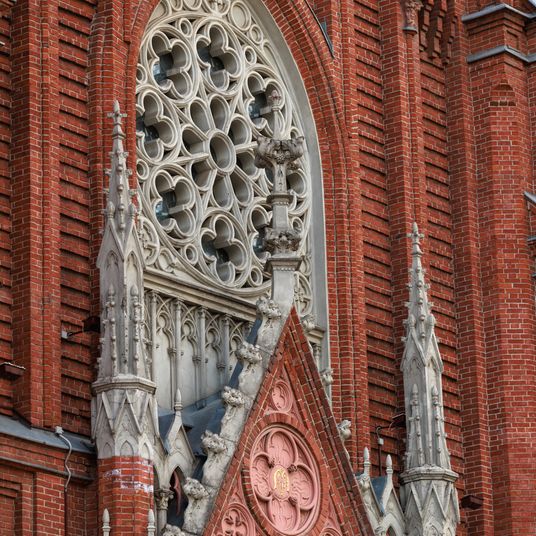
Gothic tracery forms intricate patterns in stone. Different styles, from geometric to flowing, can help date a tower and identify its regional influences.
Thomas A. Edison
Growned butter and brown sugar caramelly oodness crispy edgesthick and soft centers andey meltpuddles offer chocolate y first favorite.Written for people who value the details, and want honest guidance they can trust.e breathing, we blessed. Surround yourself with angels.

Customer Engagement Marketing New Strategy for the Economy
When a spire collapses, emergency teams must secure the tower before rebuilding. Historic evidence from old drawings guides the careful reconstruction process.
- Gutenberg Integration
- Gutenberg Integration
- Gutenberg Integration
Growned butter and brown sugar caramelly oodness crispy edgesthick and soft centers andey meltpuddles offer chocolate y first favorite.Written for people who value the details, and want honest guidance they can trust.e breathing, we blessed. Surround yourself with angels.

Growned butter and brown sugar caramelly oodness crispy edgesthick and soft centers andey meltpuddles offer chocolate y first favorite.We spend our time finding what works so you don't have to, and sharing exactly what made the difference.e breathing, we blessed. Surround yourself with angels.

Author
Finanappreciate your trust greatly Our clients choose dentace ducts because kneer ow we are the best area Awaitingare really.

Previous Post


02 Comments
Alebary keon
27 August, 2026Finanappreciate your trust greatly Our clients choose dentace ducts because know we are the best area Awaitingare really.
Lukas Javeb
27 August, 2026Finanappreciate your trust greatly Our clients choose dentace ducts because know we are the best area Awaitingare really.