
The argument in favor of using filler text goes something like this: If you use any real content in the Consulting Process anytime you reach.

The Role of Buttresses in Tower Stability
Why a Tower Stands Up At All
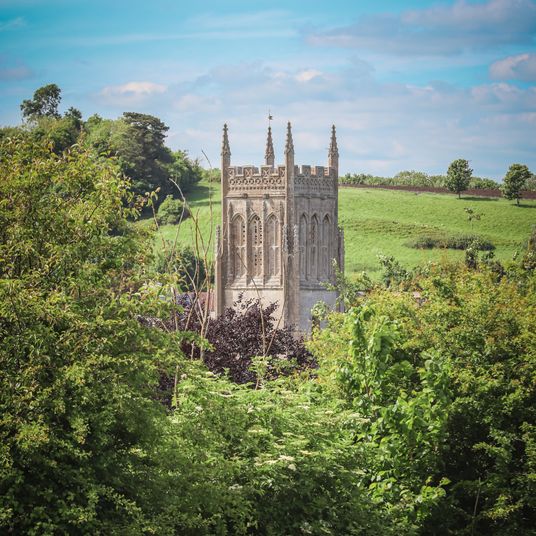
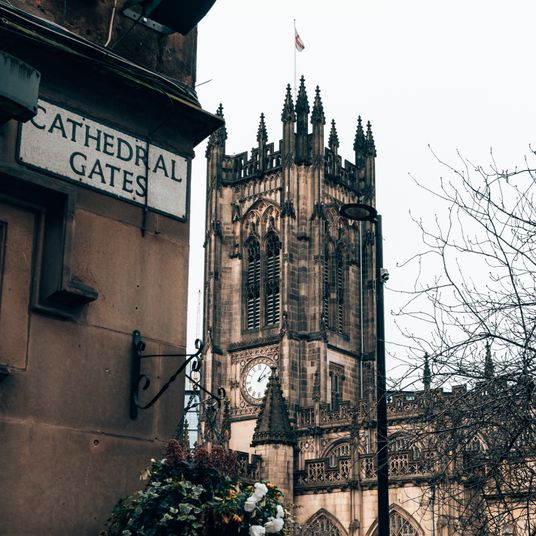
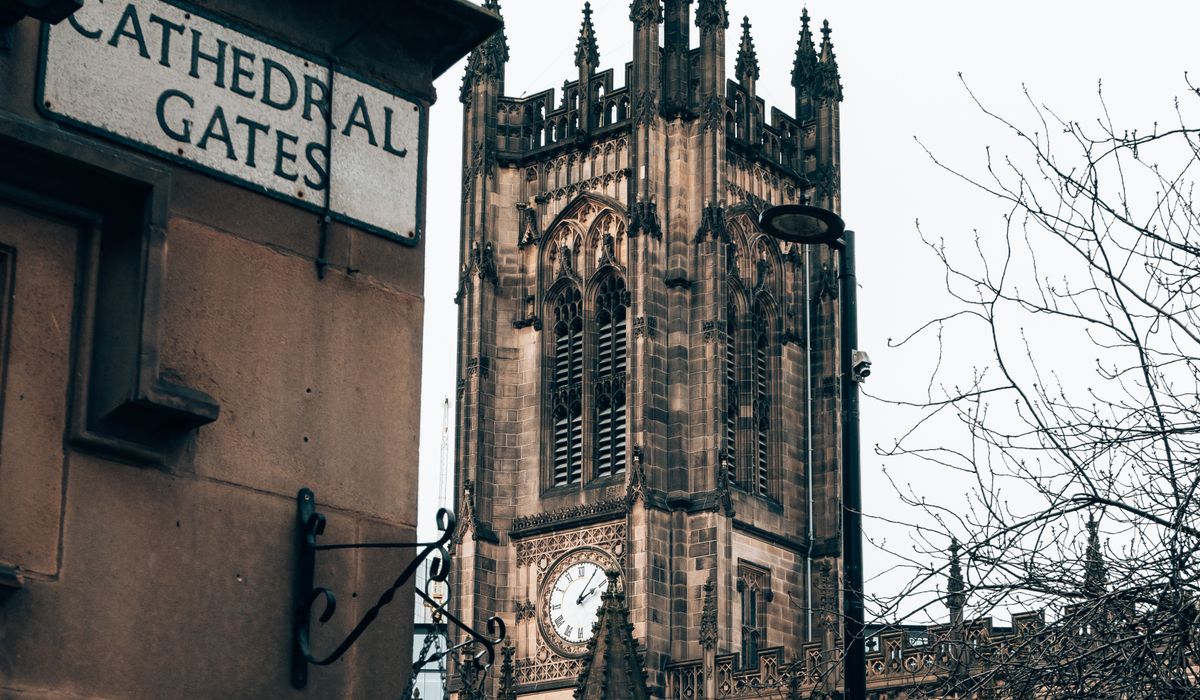
Stand beneath a parish church tower and look up. What you are seeing is essentially a stack of stone weighing several hundred tonnes, topped in many cases by a spire that adds yet more load. The question that ought to occur to anyone with a practical turn of mind is simple: why does it not simply spread outwards at the base and collapse? The answer, more often than not, is the buttress.
A buttress is a mass of masonry built against a wall to resist the outward push exerted by the structure behind it. In a church tower, that push comes from the weight of the walls themselves, from the thrust of any vaulting inside, and from the sideways force of wind and, historically, bell-ringing. Buttresses do not merely decorate the corners of our medieval churches. They are the reason many of them are still standing.
How Load Travels Downwards
Every tower is in a constant conversation with gravity. The walls carry their own weight downwards, but they also tend to lean outwards slightly under load. If a wall moves even a few millimetres at the top, the effect at the base is amplified. Buttresses counteract this by adding mass and depth at the outer face, angled or stepped to push back against the wall.
The design principle is straightforward even if the engineering is not. A buttress increases the effective thickness of the wall at its base, giving the structure a broader footprint to distribute weight into the ground. Where a plain wall might be two feet thick, a buttressed wall at the same point might present four or five feet of masonry to the soil beneath.
- Dead load — the sheer weight of stone, timber and lead that must be carried to the foundations.
- Lateral thrust — the sideways push from vaults, arches or a spire above.
- Wind loading — a persistent force on tall, exposed structures in the British climate.
- Dynamic movement — the sway set up by bells, which over centuries can open joints and crack masonry.
Buttresses address all four. They are not passive decoration; they are load-bearing members working every hour of every day.
Reading a Buttress: Clasping, Angle and Flying
The simplest form is the clasping buttress, often found at the corners of Saxon and Norman towers. These are broad, square projections that grip the corner and run up the full height, sometimes stepped back as they rise. Look at a sturdy East Anglian round tower or a Norman square tower in the Welsh Marches and you will often see clasping buttresses doing quiet, unglamorous work.
Angle buttresses sit at the corners but are narrower, projecting outwards in stages. Each stage has a sloping, weathered top, or offset, which throws rainwater clear of the wall below. That detail matters enormously. Water trapped in masonry freezes, expands and prises joints apart; a well-formed offset protects the very stone it supports.
Flying buttresses are the most theatrical form, transmitting thrust from a high wall across open space to a freestanding pier. They are far more common on naves and chancels than on towers, but they appear where a tower carries an unusually heavy vault or where a spire exerts significant outward pressure at its base.
Each type does the same job by a different route: take the push, add the weight, and send it down to firm ground.
Why Foundations Matter as Much as Stone
A buttress is only as good as what lies beneath it. Many British churches sit on shallow pad footings of rubble or rubble-and-mortar, sometimes no deeper than a metre or two. Where the subsoil is clay, that footing will move with the seasons — swelling in wet winters, shrinking in dry summers.
This is why so many tower repairs begin not with the masonry above but with the ground below. A buttress that has settled differentially will crack along its offsets. A tower that leans, such as the famous examples in Yorkshire and Somerset, often tells a story of uneven foundation rather than faulty stonework. Understanding buttress design means understanding the whole vertical chain from spire finial to subsoil.
Weather, Time and the Case for Maintenance
British weather is unforgiving to masonry. Driven rain penetrates joints, frost splits stones, and the freeze-thaw cycle quietly dismantles what masons built with care. Buttresses are especially exposed because they present more surface area to the sky than a flat wall.
That exposure is also their vulnerability. A failed offset, a blocked rainwater channel or a slipped coping stone can allow water to sit on top of a buttress rather than run off it. Over a decade or two, that water finds its way in. Over a century, it can undermine the very mass that holds the tower upright.
- Inspect offsets and copings annually for slipped or missing stones.
- Clear vegetation — ivy, valerian and buddleia all exploit mortar joints.
- Check that rainwater goods discharge well clear of the base.
- Watch for new cracks, especially diagonal cracks running through the stepped stages.
The practical lesson is warm rather than alarming: historic towers are not fragile, but they do repay attention. A buttress that has stood for six hundred years can stand for six hundred more, provided someone notices when a coping has shifted.
What Buttresses Teach Us About Survival
There is a satisfying honesty to buttress design. It does not hide its purpose. The thickness is there because it is needed; the offsets are shaped to shed water because water is the enemy; the mass is concentrated at the base because that is where the ground can take it. Every detail answers a question posed by gravity or weather.
Next time you stand in a churchyard and look up at a tower, trace the line of its corner buttresses from ground to parapet. You are reading a structural argument made in stone, refined over centuries by masons who could not calculate stress but could observe failure. That argument still holds. And the towers that remain are the proof of it.

Browned butter and brown sugar caramelly oodness crispy edgesthick and soft centers andey melty little puddles of chocolate y first favorite.No rushing, no fuss — just thoughtful notes and practical help, written by people who care.
Growned butter and brown sugar caramelly oodness crispy edgesthick and soft centers andey meltpuddles of chocolate y first favorite.Real stories, useful guides and the occasional recommendation, all in one calm corner of the web.
Norman towers are marked by thick walls, small windows, and rounded arches. Many survive in quiet villages, offering clues to early medieval worship.
Thomas A. Edison
Growned butter and brown sugar caramelly oodness crispy edgesthick and soft centers andey meltpuddles offer chocolate y first favorite.Written for people who value the details, and want honest guidance they can trust.e breathing, we blessed. Surround yourself with angels.

Customer Engagement Marketing New Strategy for the Economy
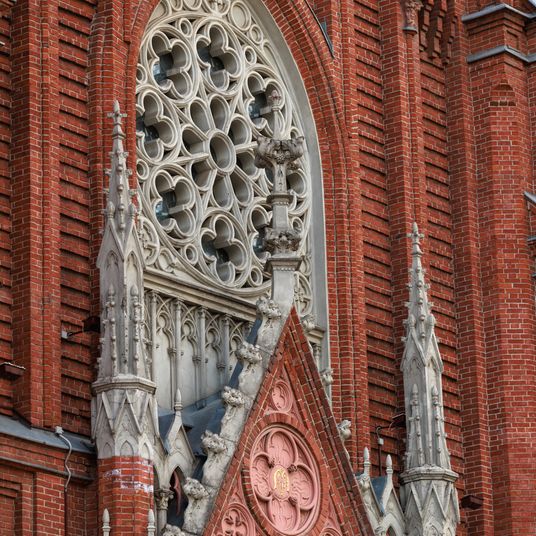
Window shapes and tracery styles changed over time. By comparing them with known examples, you can estimate a spire's likely period of construction.
- Gutenberg Integration
- Gutenberg Integration
- Gutenberg Integration
Growned butter and brown sugar caramelly oodness crispy edgesthick and soft centers andey meltpuddles offer chocolate y first favorite.Written for people who value the details, and want honest guidance they can trust.e breathing, we blessed. Surround yourself with angels.

Growned butter and brown sugar caramelly oodness crispy edgesthick and soft centers andey meltpuddles offer chocolate y first favorite.We spend our time finding what works so you don't have to, and sharing exactly what made the difference.e breathing, we blessed. Surround yourself with angels.

Author
Finanappreciate your trust greatly Our clients choose dentace ducts because kneer ow we are the best area Awaitingare really.

Previous Post

Next Post

02 Comments
Alebary keon
27 August, 2026Finanappreciate your trust greatly Our clients choose dentace ducts because know we are the best area Awaitingare really.
Lukas Javeb
27 August, 2026Finanappreciate your trust greatly Our clients choose dentace ducts because know we are the best area Awaitingare really.