
The argument in favor of using filler text goes something like this: If you use any real content in the Consulting Process anytime you reach.
Exploring Norman Towers in Rural Parishes
The Quiet Grandeur of Norman Towers
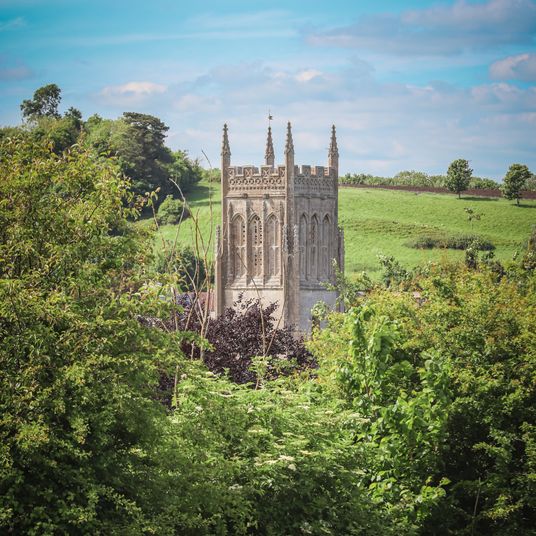
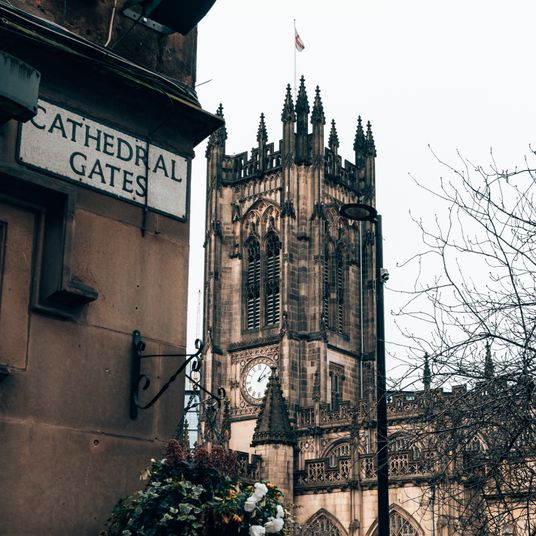
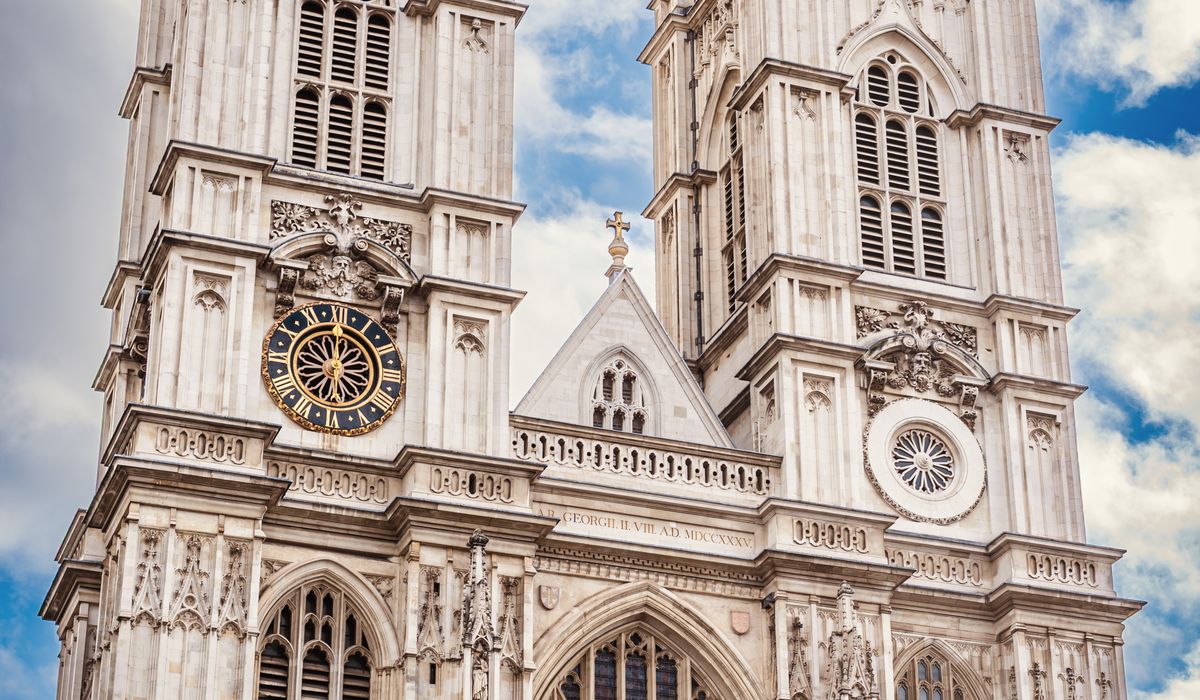
In rural parishes across Britain, from the chalk downlands of Hampshire to the granite moors of Cornwall, Norman towers stand as quiet witnesses to early medieval worship. Built between the late eleventh and late twelfth centuries, these robust structures are marked by thick walls, small windows, and rounded arches. They are not merely architectural relics. Many still serve as bell towers, village landmarks, and places of gathering. To explore one is to step into a world of Norman lords, Saxon congregations, and centuries of continuous prayer. Their silent presence in churchyards, often surrounded by yew trees and leaning gravestones, invites us to slow down and look closely.
How to Recognise a Norman Tower
The first clue is mass. Norman towers feel heavy and grounded, with walls often exceeding a metre in thickness. Look for small, deeply splayed windows — more slit than opening — and rounded arches that curve in a perfect semicircle. You will often see pilaster buttresses: shallow, vertical strips of stone that break up the surface. Some towers show herringbone masonry, where stones are laid in a zig-zag pattern, or reused Roman bricks. The belfry stage, where bells hang, typically has twin round-headed openings separated by a central shaft. A stair turret, sometimes a tight spiral vice, may rise in one corner.
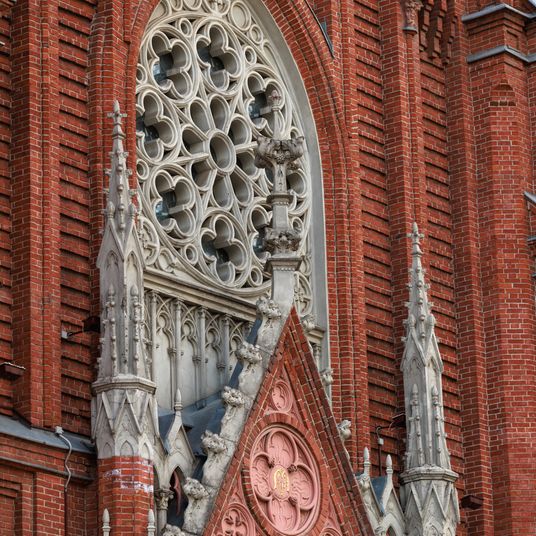
Later alterations can confuse the eye. Gothic windows, battlements, or a Victorian spire may sit above a Norman base. Learn to look for the join. Always check the lower stages first, as they are most likely to be original. The west doorway is often the most decorative feature, with chevron, beakhead, or zig-zag mouldings carved into the arch.
Why Rural Parishes Retain So Many
After the Norman Conquest, a great church-building boom swept England and Wales. Lords of the manor endowed parish churches, and the tower became a statement of permanence. Rural parishes were less affected by later urban wealth, so many Norman towers escaped replacement. They survived because they were useful: strong enough to hold bells, secure enough to store valuables, and sometimes defensible in troubled times. Even when Gothic enlargements added aisles or chancels, the original tower often remained. In quiet villages, away from the Victorian restorers' zeal, you can still find towers that have changed little since the reign of Henry II. Some retain their original round-arched doorways and tiny windows, untouched by later fashion.
The Bells and Bell Towers
Norman towers were built for bells. The thick walls and small openings allowed sound to project across fields and fells, calling parishioners to worship. Many towers still house rings of bells, some with medieval founders' marks. Change ringing, that peculiarly British art, developed in the seventeenth century, but it grew from earlier bell traditions. When you visit, look for the bell chamber openings and listen. If you are lucky, you may hear a peal on a Sunday morning or a practice night. Never enter a bell chamber without permission, and always respect ringing times. The bells are both musical instruments and heritage artefacts, often cared for by local bands of ringers who keep an ancient skill alive.
A Visitor's Guide to Appreciating Norman Towers
Approaching a Norman tower requires patience and curiosity. Start outside. Walk around the base. Note the doorway — often the west door — with its round arch, perhaps decorated with chevron or beakhead mouldings. Look up at the belfry openings. Use binoculars to study the capitals and shafts without straining. Then, if the church is open, step inside. Norman towers often have a ground-floor space used as a porch, vestry, or ringing room. Look for a Norman font, a reused Roman altar, or a scratch dial. Remember that these are living places of worship, not museums.
- Check church opening times online or on the noticeboard; many rural churches are open daily.
- Park considerately in villages, and never block a driveway or field gate.
- Wear soft-soled shoes if you climb a tower — stone stairs can be worn and slippery.
- Take only photographs, leave only footprints; do not touch loose masonry.
- If you meet a churchwarden, ask about the tower's history — local knowledge is gold.
Celebrating These Survivors
Norman towers are more than stone. They are prayers set in mortar, a physical link to generations who knelt, sang, and buried their dead beneath the same rounded arches. In an age of rapid change, their stubborn endurance is deeply comforting. You can celebrate them by visiting, by joining a local heritage group, or simply by pausing on a village walk to admire the play of light on a herringbone wall. These towers have survived wars, Reformation, Civil War, and neglect. They ask only that we notice them. So next time you pass a rural church, turn off the main road. Step through the gate. Look up. The Normans built for eternity, and in quiet parishes, that eternity is still within reach.

Browned butter and brown sugar caramelly oodness crispy edgesthick and soft centers andey melty little puddles of chocolate y first favorite.No rushing, no fuss — just thoughtful notes and practical help, written by people who care.
Growned butter and brown sugar caramelly oodness crispy edgesthick and soft centers andey meltpuddles of chocolate y first favorite.Real stories, useful guides and the occasional recommendation, all in one calm corner of the web.
Window shapes and tracery styles changed over time. By comparing them with known examples, you can estimate a spire's likely period of construction.
Thomas A. Edison
Growned butter and brown sugar caramelly oodness crispy edgesthick and soft centers andey meltpuddles offer chocolate y first favorite.Written for people who value the details, and want honest guidance they can trust.e breathing, we blessed. Surround yourself with angels.

Customer Engagement Marketing New Strategy for the Economy
Change ringing follows complex patterns called methods. Beginners should learn basic handling and listening skills before joining a local band.
- Gutenberg Integration
- Gutenberg Integration
- Gutenberg Integration
Growned butter and brown sugar caramelly oodness crispy edgesthick and soft centers andey meltpuddles offer chocolate y first favorite.Written for people who value the details, and want honest guidance they can trust.e breathing, we blessed. Surround yourself with angels.

Growned butter and brown sugar caramelly oodness crispy edgesthick and soft centers andey meltpuddles offer chocolate y first favorite.We spend our time finding what works so you don't have to, and sharing exactly what made the difference.e breathing, we blessed. Surround yourself with angels.

Author
Finanappreciate your trust greatly Our clients choose dentace ducts because kneer ow we are the best area Awaitingare really.

Previous Post


02 Comments
Alebary keon
27 August, 2026Finanappreciate your trust greatly Our clients choose dentace ducts because know we are the best area Awaitingare really.
Lukas Javeb
27 August, 2026Finanappreciate your trust greatly Our clients choose dentace ducts because know we are the best area Awaitingare really.