
The argument in favor of using filler text goes something like this: If you use any real content in the Consulting Process anytime you reach.
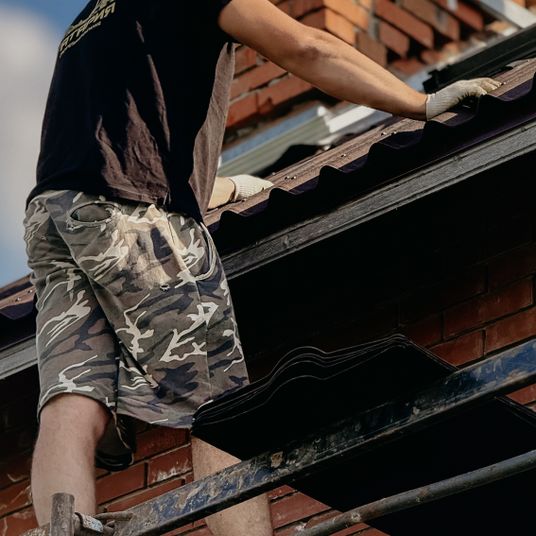

Maintaining Lime Mortar on Ancient Stonework
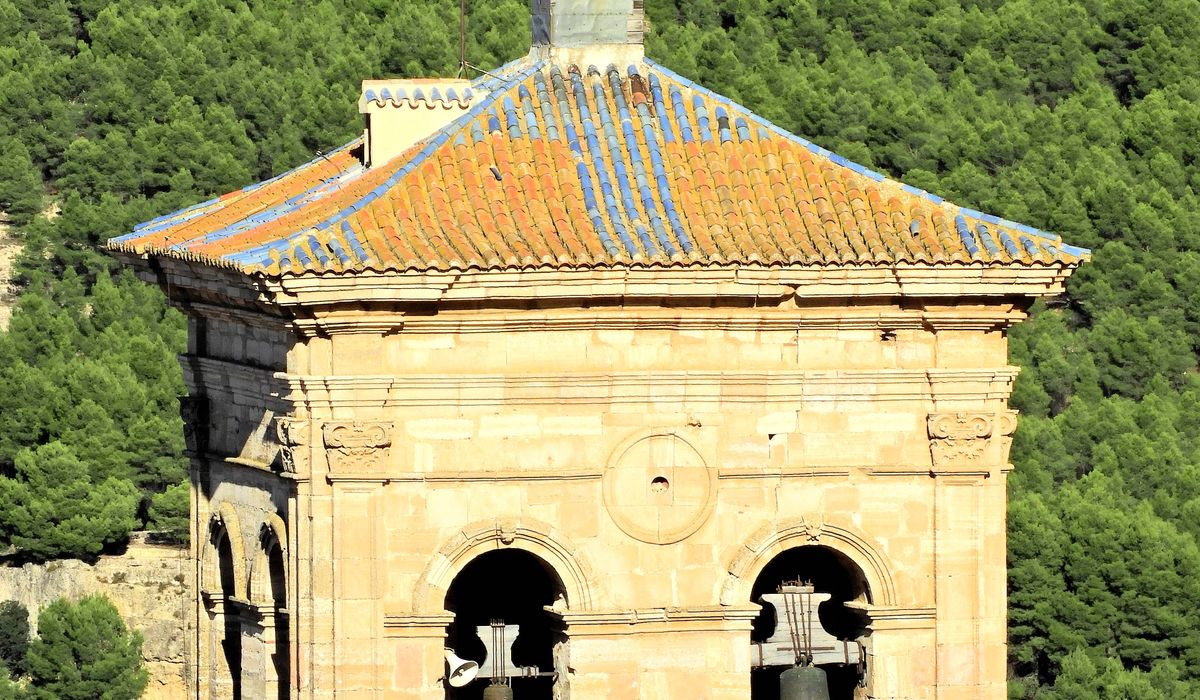
Why Lime Mortar Matters to Britain's Historic Towers
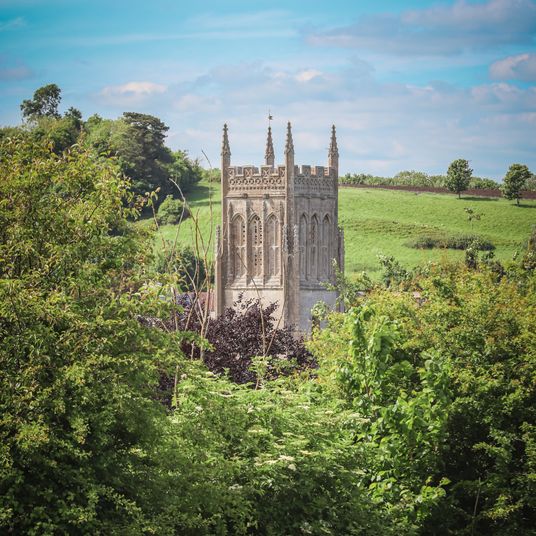
Britain's parish churches, cathedral towers and bell towers are among our most recognisable landmarks. Many of these structures have stood for centuries, their stonework held together by lime mortar. Unlike modern cement, lime mortar is a living, breathing material. It allows moisture to move through the wall and escape, and it accommodates the tiny movements that happen as stone expands and contracts with the seasons. For anyone responsible for a historic tower, understanding lime mortar is not a luxury — it is the foundation of good stewardship.
The Science of Breathability and Movement
Lime mortar is made from limestone burned at relatively low temperatures, then slaked and mixed with sand and water. It sets by carbonation, absorbing carbon dioxide from the air over weeks and months. The result is a soft, porous mortar that is weaker than the stone it binds. This is intentional. When movement occurs — from ground settlement, thermal expansion, or the swing of a heavy bell — the mortar yields slightly rather than cracking the stone. It also acts as a sacrificial layer, weathering away first and taking the brunt of the elements.
Critically, lime mortar is vapour-permeable. Water that enters the wall as rain or rising damp can evaporate outwards through the mortar joints. This breathing action keeps the core of the wall dry and stable. Without it, moisture becomes trapped, and in a British climate, trapped moisture is the enemy of old stone.
The Damage Caused by Cement Repairs
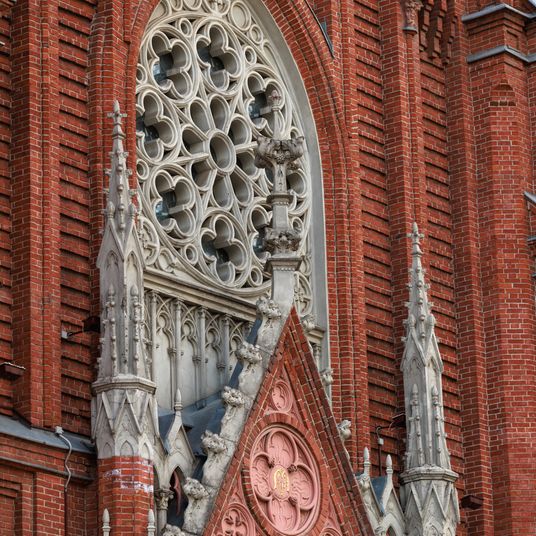
Cement mortar behaves in the opposite way. It is hard, rigid, and largely impermeable. When cement is used to point or patch historic stonework, it seals the surface but does nothing to stop water entering from above or below. Moisture then accumulates behind the cement, unable to escape. In winter, that water freezes and expands, forcing the stone face to crack and flake away — a process known as spalling.
Because cement is stronger than the surrounding stone, it also concentrates stress at the edges of the repair. Cracks appear in the stone itself rather than in the joint. Over time, the cement skin can become proud of the wall, holding water against the masonry and accelerating decay. What begins as a tidy repair can lead to deep, expensive damage to towers and spires that have survived for hundreds of years.
Spotting the Signs of Cement in Historic Stonework
If you care for a church tower, bell tower or spire, it pays to know what you are looking at. Early detection of cement repairs can save years of grief. Look for:
- Joints that are unnaturally hard, light grey, or uniform in colour, standing proud of the stone surface.
- Cracks running through the stones themselves rather than along the mortar lines.
- Patches of damp or dark staining on the internal faces of walls, often below window sills or at the base of bell chambers.
- Flaking, crumbling, or hollow-sounding stone faces, especially on south and west elevations exposed to driving rain.
- Failed cement pointing that has cracked in straight, brittle lines across a joint or around a stone edge.
- White salt deposits — efflorescence — on the surface, a sign that moisture is being driven through the wall.
Repointing with Lime: A Practical Guide
Repointing is not simply a matter of scraping out the old and slapping in the new. Rushing the job with the wrong materials will undo decades of natural weathering. The first step is always to identify the original mortar. A conservation-accredited professional can analyse a sample to establish the correct binder and aggregate. In most cases, a non-hydraulic lime putty or a weak hydraulic lime such as NHL 3.5 will be appropriate. Stronger NHL 5 is usually reserved for very exposed locations or below ground.
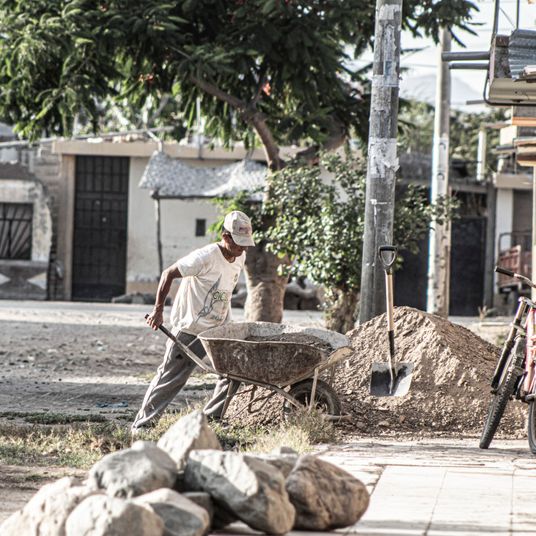
Preparation is gentle. Rake out the old mortar by hand, using a plugging chisel and wooden mallet, to a depth of about twice the width of the joint. Never use an angle grinder, which tears the stone edges and leaves a hard, smooth surface that lime cannot bond to. Brush out the dust, then dampen the joint thoroughly — this stops the dry stone from sucking moisture from the fresh mortar.
Mix the mortar to a workable, slightly sticky consistency. A typical mix is one part lime to three parts well-graded sharp sand, but always follow the specified ratio for the wall in question. Pack the mortar into the joint in thin layers, pressing firmly to fill any voids. Finish with a wooden stick or a stiff brush to match the profile of the surrounding historic work. Protect the repointing from frost and rapid drying for at least a week, using damp hessian or sheeting if necessary.
Seasonal Checks and Long-Term Care
Maintaining lime mortar is an ongoing commitment rather than a one-off task. The best time to inspect a tower or spire is late spring, after the worst of the winter weather but before vegetation takes hold. Look at the pointing, the stone faces, the roof, the gutters and the rainwater goods. Clear any debris from valleys and hoppers, and remove ivy or saplings before their roots work into joints.
Keep a simple record of any repairs, with dates and photographs. This history is invaluable for future architects and stonemasons, and it helps you spot changes over time. Where large areas of cement pointing exist, plan for their careful removal and replacement with lime. This is patient work, but it is the only way to let ancient stonework breathe again. With the right materials and a little seasonal attention, the towers and spires that define our towns and countryside can stand for generations more.

Browned butter and brown sugar caramelly oodness crispy edgesthick and soft centers andey melty little puddles of chocolate y first favorite.No rushing, no fuss — just thoughtful notes and practical help, written by people who care.
Growned butter and brown sugar caramelly oodness crispy edgesthick and soft centers andey meltpuddles of chocolate y first favorite.Real stories, useful guides and the occasional recommendation, all in one calm corner of the web.
A spire is a tapering roof, while a steeple is the whole tower and spire together. Knowing the terms helps when describing church architecture.
Thomas A. Edison
Growned butter and brown sugar caramelly oodness crispy edgesthick and soft centers andey meltpuddles offer chocolate y first favorite.Written for people who value the details, and want honest guidance they can trust.e breathing, we blessed. Surround yourself with angels.

Customer Engagement Marketing New Strategy for the Economy
Old maps, wills, and parish records can reveal when a tower was built or altered. Start with the church guidebook and local archive.
- Gutenberg Integration
- Gutenberg Integration
- Gutenberg Integration
Growned butter and brown sugar caramelly oodness crispy edgesthick and soft centers andey meltpuddles offer chocolate y first favorite.Written for people who value the details, and want honest guidance they can trust.e breathing, we blessed. Surround yourself with angels.

Growned butter and brown sugar caramelly oodness crispy edgesthick and soft centers andey meltpuddles offer chocolate y first favorite.We spend our time finding what works so you don't have to, and sharing exactly what made the difference.e breathing, we blessed. Surround yourself with angels.

Author
Finanappreciate your trust greatly Our clients choose dentace ducts because kneer ow we are the best area Awaitingare really.

Previous Post


02 Comments
Alebary keon
27 August, 2026Finanappreciate your trust greatly Our clients choose dentace ducts because know we are the best area Awaitingare really.
Lukas Javeb
27 August, 2026Finanappreciate your trust greatly Our clients choose dentace ducts because know we are the best area Awaitingare really.