
The argument in favor of using filler text goes something like this: If you use any real content in the Consulting Process anytime you reach.
The Challenges of Restoring a Collapsed Spire
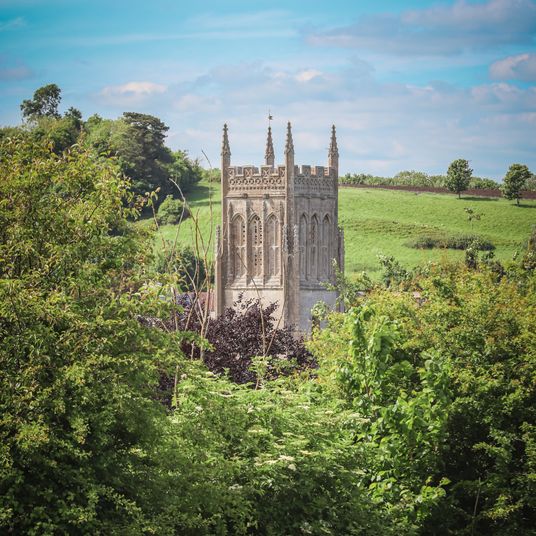
When a church spire collapses, the sound is heard for miles, but the silence that follows is worse. For the parish, the loss is immediate: a landmark gone, a roof open to the weather, and a tower that may itself be unstable. The recovery is a careful, methodical business, part engineering, part archaeology, and part sheer patience. Here is how the professionals approach it, and why old drawings and photographs often prove as valuable as any modern survey.
The First 24 Hours: Securing the Scene
Safety comes first. The immediate priority is to establish an exclusion zone, often with the help of the fire service and building control. Loose masonry must be brought down or secured, and the tower inspected from top to bottom. A structural engineer will look for cracks, bulges, and movement in the parapet, pinnacles, and belfry openings. The bells are a particular concern: a fallen spire can twist the frame or dislodge a bell, so the ringing chamber is usually closed and the bells either removed or strapped down.
Weatherproofing is urgent. A temporary roof or tarpaulin over the tower prevents water pouring into the nave. Debris is cleared carefully, because fallen stones may carry masons' marks or fragments of tracery that will guide the rebuild. Nothing is thrown away without being recorded.
Reading the Ruins: Why Old Drawings Matter
Before any new stone is cut, the team gathers evidence. Diocesan archives, county record offices, and local studies libraries often hold faculty papers, engravings, watercolours, and Victorian photographs. These show the spire's original profile: was it broach or recessed? How many lucarnes? What shape was the finial? Even a rough sketch from a nineteenth-century guidebook can settle a disputed detail.
- Measured drawings from earlier repairs can give exact dimensions for the spire's base, batter, and pinnacles.
- Old photographs reveal the pattern of the lead sheeting, the position of lightning conductors, and the colour of the stone.
- Written specifications from past restorations may name the quarry, the lime mortar mix, or the blacksmith who made the iron cramps.
Modern survey methods such as laser scanning and photogrammetry capture the remaining tower with millimetre accuracy. But they cannot invent what is lost. The old drawings fill the gaps, and the two together give the mason a reliable target.
Temporary Works: Holding the Tower Together
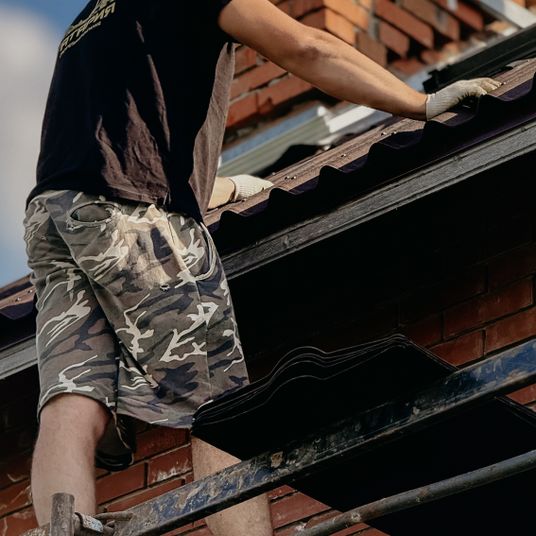
A collapsed spire leaves the tower without its usual stabilising weight and wind shield. The top of the tower is now vulnerable to gusts that would once have been deflected. Temporary works are therefore designed not just for access but for structural support. An independent scaffold is built around the tower, tied back but not relying on the old masonry for strength. Inside, shoring may be needed to support the belfry floor or the ringing chamber ceiling.
Monitoring is continuous. Tell-tales, crack gauges, and sometimes electronic tilt sensors record any movement. If the tower shifts, the engineer knows within hours. Meanwhile, the bells are either lowered to the ground or left in place but immobilised, and the clock mechanism is protected from water and dust.
Rebuilding the Spire: Stone, Lime, and Lead
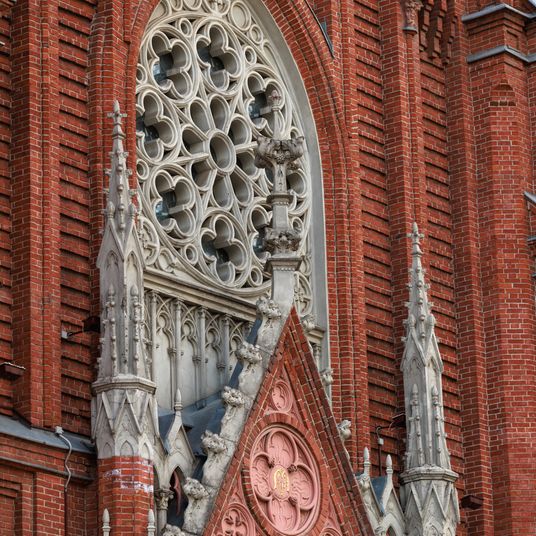
Reconstruction follows traditional methods, but with modern quality control. New stone is matched to the original, ideally from the same quarry or a geological equivalent. The mason works from the old drawings and surviving fragments, cutting each block to fit the taper of the spire. Lime mortar is used, not cement, because it is softer, breathable, and allows future removal without damaging the stone.
Structural connections matter. Stainless steel cramps and dowels replace corroded iron, and the spire is tied down to the tower with stainless steel rods. Lead sheeting is laid in the traditional way, with rolls and steps to shed water. The cross or finial is fixed last, after the lightning protection has been tested. Every stage is photographed and recorded, so that the next generation of conservators has the same evidence we relied on.
Bells, Belfries, and the Long Term
Once the spire is back, attention turns to the bells. A collapse can crack a bell or twist a frame, so the bells are inspected by a bell founder or diocesan adviser. Even if they are sound, the frame may need re-tuning or re-bracing. The ringing chamber is often rearranged for safety, with new handrails and better lighting.
The final task is a maintenance plan. Gutters and downpipes are checked twice a year, because water is the enemy of every tower. Lightning protection is tested at least annually, and the spire is inspected from a drone or a steeplejack's cradle every five years. A small repair now is cheaper than another collapse later. The spire will never be truly finished, but with care it can stand for another century or more.

Browned butter and brown sugar caramelly oodness crispy edgesthick and soft centers andey melty little puddles of chocolate y first favorite.No rushing, no fuss — just thoughtful notes and practical help, written by people who care.
Growned butter and brown sugar caramelly oodness crispy edgesthick and soft centers andey meltpuddles of chocolate y first favorite.Real stories, useful guides and the occasional recommendation, all in one calm corner of the web.
Not every tower was designed to carry a spire. Structural limits, local fashion, and budget often determined whether one was ever added.
Thomas A. Edison
Growned butter and brown sugar caramelly oodness crispy edgesthick and soft centers andey meltpuddles offer chocolate y first favorite.Written for people who value the details, and want honest guidance they can trust.e breathing, we blessed. Surround yourself with angels.

Customer Engagement Marketing New Strategy for the Economy
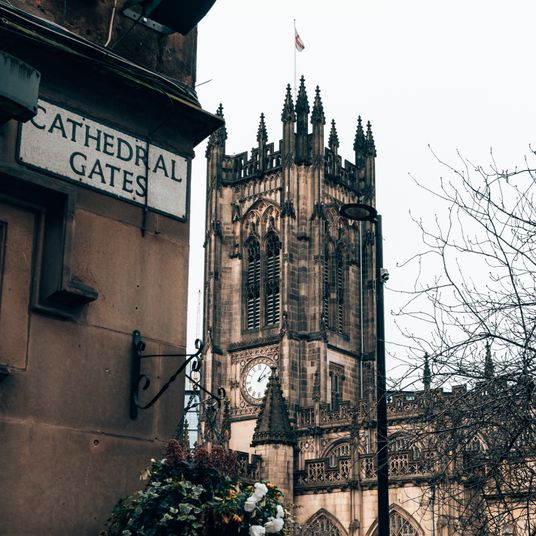
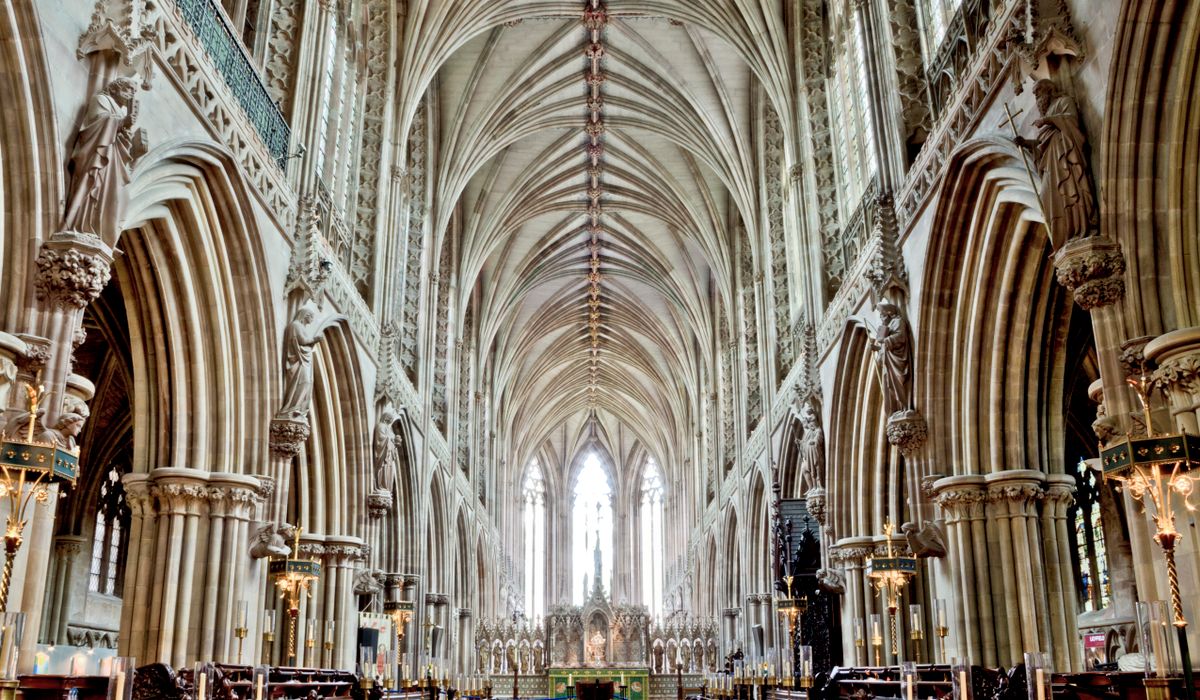
Central towers often form the focal point of cathedrals. Their construction, bells, and views tell stories of ambition, engineering, and worship.
- Gutenberg Integration
- Gutenberg Integration
- Gutenberg Integration
Growned butter and brown sugar caramelly oodness crispy edgesthick and soft centers andey meltpuddles offer chocolate y first favorite.Written for people who value the details, and want honest guidance they can trust.e breathing, we blessed. Surround yourself with angels.

Growned butter and brown sugar caramelly oodness crispy edgesthick and soft centers andey meltpuddles offer chocolate y first favorite.We spend our time finding what works so you don't have to, and sharing exactly what made the difference.e breathing, we blessed. Surround yourself with angels.

Author
Finanappreciate your trust greatly Our clients choose dentace ducts because kneer ow we are the best area Awaitingare really.

Previous Post

Next Post

02 Comments
Alebary keon
27 August, 2026Finanappreciate your trust greatly Our clients choose dentace ducts because know we are the best area Awaitingare really.
Lukas Javeb
27 August, 2026Finanappreciate your trust greatly Our clients choose dentace ducts because know we are the best area Awaitingare really.