
The argument in favor of using filler text goes something like this: If you use any real content in the Consulting Process anytime you reach.
Using Archive Drawings to Study Old Spires

Why archive drawings still earn their keep
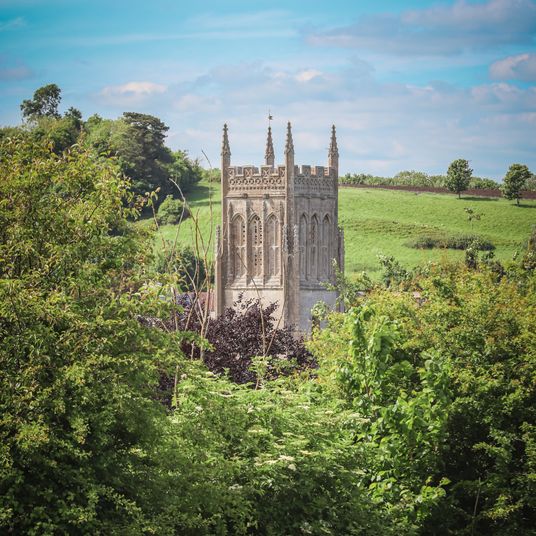
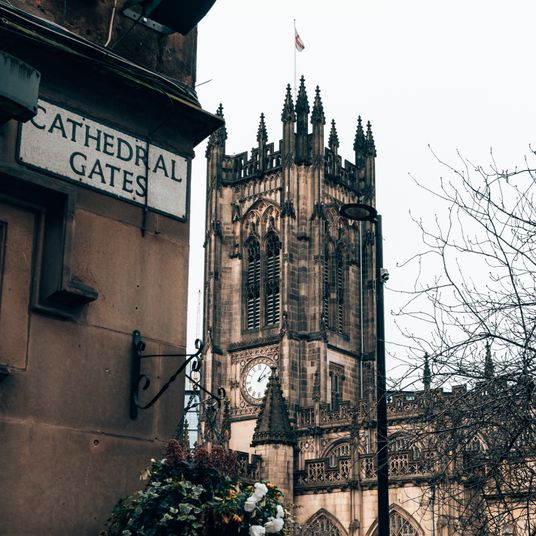
Spires and towers are among the most photographed things in Britain, yet a photograph only ever records the present. A spire that lost its weathercock in a gale, a tower whose parapet was rebuilt in 1878, a bell-cote replaced by a stone broach — none of these leave a tidy photographic trail. Archive drawings do. An engraved view of 1790, a measured elevation from an 1840s restoration, or a pencil sketch tucked into a faculty file can preserve a silhouette that has since changed out of all recognition. For anyone studying parish churches, comparing those older records with what stands today is one of the most rewarding habits you can develop.
Where to look for drawings and engravings
The good news is that the material is abundant, and much of it costs nothing to consult.
- County record offices hold faculty papers, restoration correspondence and architects' drawings, usually filed by parish.
- Diocesan archives are the place for faculties, petitions and plans relating to rebuilding and repair.
- Local studies libraries keep topographical prints, engraved views and early photographs, generally indexed by place.
- Antiquarian engravings from the late eighteenth and early nineteenth centuries are the classic source, though they must be read with care.
- Sale catalogues, guidebooks and periodicals sometimes carry elevations and sections that never made it into official records.
Note the accession number, artist, date and medium as you go. A hasty sketch of 1821 and a measured drawing of 1890 are very different kinds of evidence.
Reading a drawing critically
Engravings were made to please as well as to inform. Many were drawn from a distance, tidied up in the workshop and given a picturesque sky. Some reuse an earlier plate with a new steeple added. So ask yourself:
- Is the view measured or pictorial? Look for a scale bar before trusting any dimension.
- Is it a front elevation or a perspective? Only the former tells you much about ground plan.
- Does the drawing show the church before or after a known restoration?
- Do two independent views agree on the number of pinnacles, the position of the clock, or the shape of the louvres?
Where sources conflict, trust the more measured one, but keep the discrepancy in your notes. It is often the most interesting thing in the file.
Comparing the drawing with the photograph
The practical work is straightforward, and a sturdy tripod helps more than any expensive lens.
- Match the viewpoint as closely as you can, standing where the artist stood — often a road, a bridge or a churchyard gate.
- Use a moderate telephoto setting so the perspective compresses, as it does in most engravings.
- Trace the silhouette against the sky first: spire, pinnacles, parapet and weathercock.
- Then work downwards through the detail — lucarnes, louvres, clock faces, string courses, buttresses and iron ties.
- Note the roof pitch and covering. Lead, copper, slate and shingle weather differently and tend to be replaced in different decades.
What the comparisons tend to reveal
- Lost finials and weathercocks, replaced by plain crosses or removed altogether.
- Victorian parapets added to towers that once had plain battlements, or none at all.
- Broach spires rebuilt as recessed spires, changing the whole junction between tower and spire.
- Shingled or leaded spires re-covered in stone, or stone spires re-covered in lead.
- Pinnacles taken down for safety, leaving the tower looking curiously bare.
- Bell-cotes and bell turrets replaced by masonry towers, especially on small medieval churches.
Each change is a small piece of architectural history, and together they show how restless parish maintenance has always been.
Making your notes count
Write up your comparison while it is fresh. Record the source, its date, your chosen viewpoint and the exact feature you are comparing, and keep a copy of the drawing beside your photograph if permission allows. File everything under the parish name and the church's dedication, and state any uncertainty plainly rather than tidying it away. Over time, these small records build into something genuinely useful: a picture of how a spire reached its present shape, and a reminder that today's silhouette is only the latest in a long series. That is the quiet pleasure of the work — every old engraving is a witness, and every photograph is the next entry in the same ledger.

Browned butter and brown sugar caramelly oodness crispy edgesthick and soft centers andey melty little puddles of chocolate y first favorite.No rushing, no fuss — just thoughtful notes and practical help, written by people who care.
Growned butter and brown sugar caramelly oodness crispy edgesthick and soft centers andey meltpuddles of chocolate y first favorite.Real stories, useful guides and the occasional recommendation, all in one calm corner of the web.
Weather vanes sit atop many towers and spires. Their symbols, from cockerels to arrows, often carry local meaning and help date later additions.
Thomas A. Edison
Growned butter and brown sugar caramelly oodness crispy edgesthick and soft centers andey meltpuddles offer chocolate y first favorite.Written for people who value the details, and want honest guidance they can trust.e breathing, we blessed. Surround yourself with angels.

Customer Engagement Marketing New Strategy for the Economy
Recording a spire involves measured drawings, photographs, and written notes. Good documentation supports future conservation and helps track structural changes over time.
- Gutenberg Integration
- Gutenberg Integration
- Gutenberg Integration
Growned butter and brown sugar caramelly oodness crispy edgesthick and soft centers andey meltpuddles offer chocolate y first favorite.Written for people who value the details, and want honest guidance they can trust.e breathing, we blessed. Surround yourself with angels.

Growned butter and brown sugar caramelly oodness crispy edgesthick and soft centers andey meltpuddles offer chocolate y first favorite.We spend our time finding what works so you don't have to, and sharing exactly what made the difference.e breathing, we blessed. Surround yourself with angels.

Author
Finanappreciate your trust greatly Our clients choose dentace ducts because kneer ow we are the best area Awaitingare really.

Previous Post


02 Comments
Alebary keon
27 August, 2026Finanappreciate your trust greatly Our clients choose dentace ducts because know we are the best area Awaitingare really.
Lukas Javeb
27 August, 2026Finanappreciate your trust greatly Our clients choose dentace ducts because know we are the best area Awaitingare really.