
The argument in favor of using filler text goes something like this: If you use any real content in the Consulting Process anytime you reach.


The Sound of Bells Across a Market Town
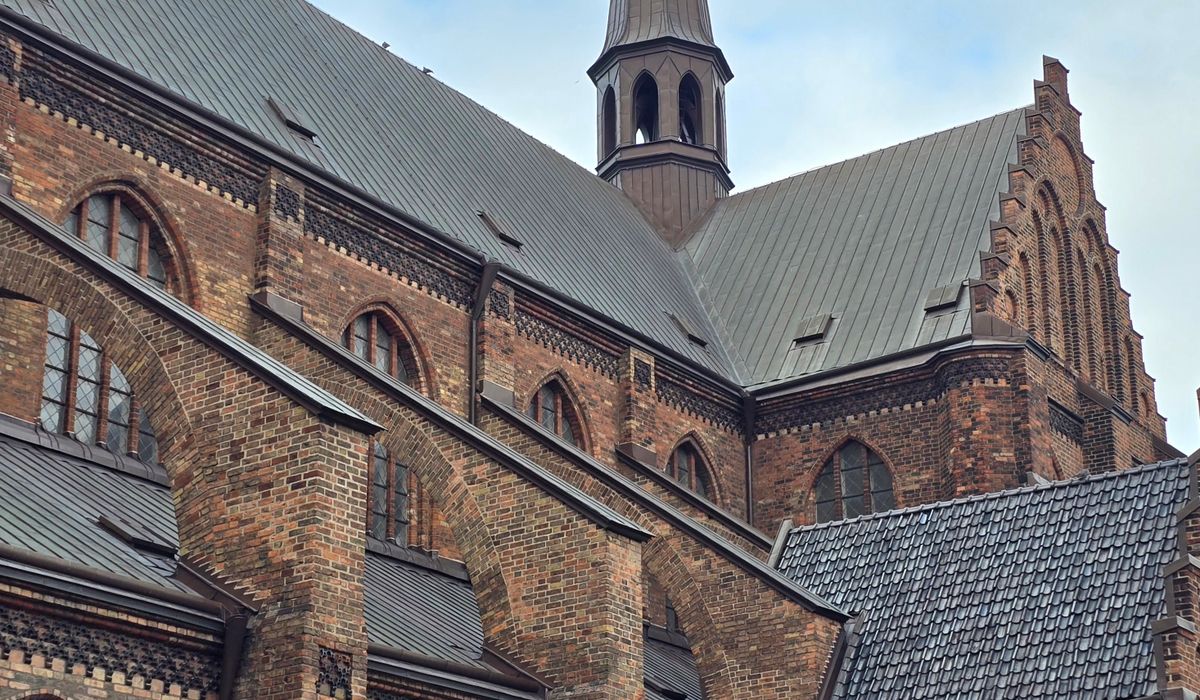
The Bells That Map a Market Town
Stand in any British market town on a Sunday morning and you will hear them before you see them. The bells of the parish church roll out across slate roofs, chimney pots, and the cattle market square. They mark the hour, call the faithful to Matins, and announce a wedding or a funeral. For centuries, these sounds have been the town’s clock, its alarm, and its celebration. A market town without a bell tower is like a fair without a crowd: possible, but strangely quiet. The patterns of ringing—rising and falling, quick and slow—are not random noise. They are a musical and civic language, learned by heart and passed down through generations of local ringers.
Spires, Towers, and Bell Towers: A Field Guide
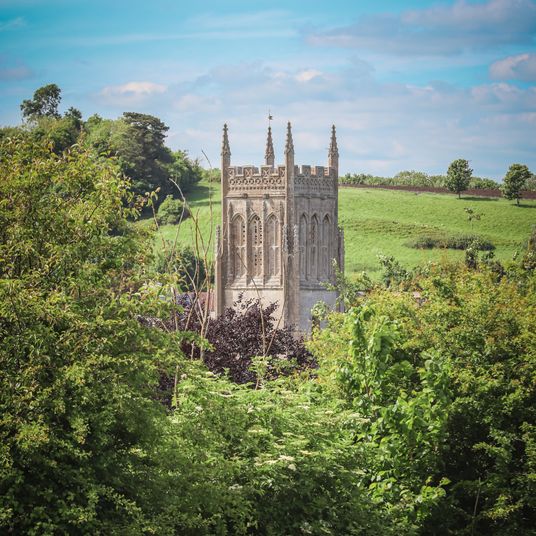
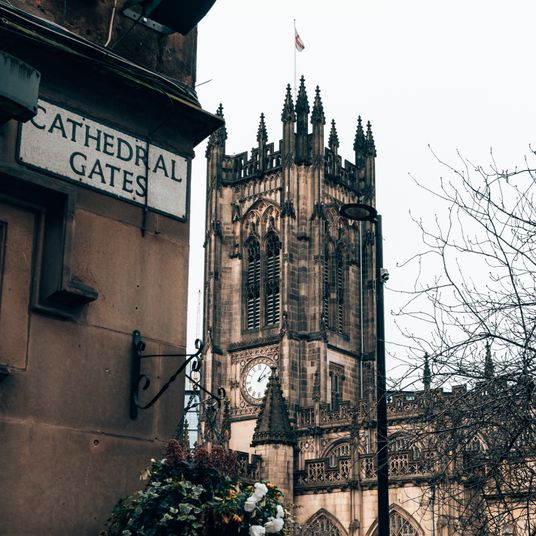
Britain’s church architecture offers three main settings for bells, and each shapes the sound in a particular way. A spire is a tall, pointed roof, often topping a tower. The bells hang inside the tower beneath it, so the spire acts as a resonant canopy. A tower is the sturdy square or round structure that houses the bells; its stone or brick walls reflect and amplify the sound. A bell tower may be part of the church or stand detached, as at some Norfolk and Suffolk churches where the tower was built separately to avoid disturbing the nave’s foundations. Look for louvred openings—horizontal slats that let the sound out while keeping rain off the ropes. In the West Country, you will find ornate Somerset towers with pinnacles and carved angels; in the East, round towers of flint or brick. The height, the weight of the bells, and the surrounding buildings all affect how far the sound travels. A tenor bell of 15 or 20 hundredweight can be heard a mile away on a still frosty morning.
The Mathematics and Music of Ringing
English change ringing is unique. Instead of playing a fixed tune, ringers ring a set of bells in ever-changing sequences called methods. Each bell is swung full circle by a rope and a wheel, and the ringer controls the speed of the swing to place their bell in the right order. A typical market town church has a ring of six or eight bells. The tenor is the heaviest and sounds the lowest note; the treble is the lightest and highest. In call changes, the conductor shouts out a new order, such as “2 to 3” or “5 to 4”. In method ringing, the pattern is memorised—Plain Bob Minor, Grandsire Triples, Cambridge Surprise Major—and the ringers follow a mental blueprint. The result is a cascade of notes that is neither a tune nor random. It is a living mathematical pattern, and when the striking is even, it sounds like a single, shimmering chord that rises and falls across the rooftops.
Marking the Hours and the Occasions
The civic role of bells is as important as the musical one. A single bell may toll for a funeral, one strike for each year of the deceased’s life. A half-muffled peal—where one side of the clapper is padded—gives a sombre, echoing sound. For weddings, the bells are rung open and joyful, often a full peal of over 5,000 changes that can take three hours. On national occasions, such as a coronation or a jubilee, towers across the country ring simultaneously. Market towns also have their own traditions: a curfew bell at 8pm, a pancake bell on Shrove Tuesday, or a gleaning bell that once told farm workers when to start and stop. The patterns connect listeners to a long musical and civic tradition. Even if you never touch a rope, you are part of the audience that these bells have always addressed.
How to Listen and Where to Go
You do not need to be a ringer to enjoy the bells. Here are practical ways to deepen your appreciation:
- Find a practice night. Most towers ring on a weekday evening, often Tuesday or Thursday, from 7:30pm to 9pm. Listen outside for the muffled sound of the bells behind closed doors, then ask if you can watch from the ringing chamber.
- Attend a Sunday service. The bells usually ring for 30 to 45 minutes before the service. Stand in the churchyard or a nearby square and note how the sound changes with the wind.
- Look for open tower events. Many historic churches open their towers during heritage weekends. You can climb the spiral staircase, see the bells, and meet the local band.
- Listen for the tenor. That is the lowest, slowest bell. It provides the pulse. Once you can pick it out, the rest of the pattern becomes clearer.
- Respect the ringers. Never enter a ringing chamber during a peal or quarter peal. Wait for a pause, and always ask before taking photographs.
In a market town, the bells are not a museum piece. They are a weekly practice, a civic ritual, and a welcome. Next time you hear them, pause for a moment. You are listening to a sound that has travelled across these same rooftops for hundreds of years—and it is still being made by hand, one rope at a time.

Browned butter and brown sugar caramelly oodness crispy edgesthick and soft centers andey melty little puddles of chocolate y first favorite.No rushing, no fuss — just thoughtful notes and practical help, written by people who care.
Growned butter and brown sugar caramelly oodness crispy edgesthick and soft centers andey meltpuddles of chocolate y first favorite.Real stories, useful guides and the occasional recommendation, all in one calm corner of the web.
Many rural spires can be reached by public footpaths. Plan a walk that respects private land, wildlife, and the quiet of churchyards and villages.
Thomas A. Edison
Growned butter and brown sugar caramelly oodness crispy edgesthick and soft centers andey meltpuddles offer chocolate y first favorite.Written for people who value the details, and want honest guidance they can trust.e breathing, we blessed. Surround yourself with angels.

Customer Engagement Marketing New Strategy for the Economy
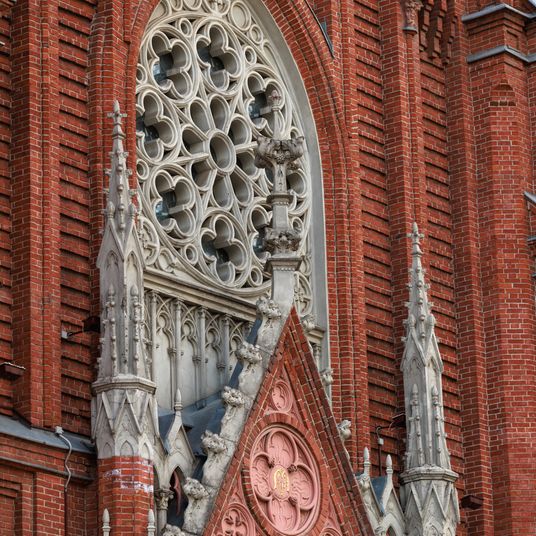
Early English Gothic spires often feature simple lancet windows and steep pitches. This guide helps you recognise key details on parish churches across Britain.
- Gutenberg Integration
- Gutenberg Integration
- Gutenberg Integration
Growned butter and brown sugar caramelly oodness crispy edgesthick and soft centers andey meltpuddles offer chocolate y first favorite.Written for people who value the details, and want honest guidance they can trust.e breathing, we blessed. Surround yourself with angels.

Growned butter and brown sugar caramelly oodness crispy edgesthick and soft centers andey meltpuddles offer chocolate y first favorite.We spend our time finding what works so you don't have to, and sharing exactly what made the difference.e breathing, we blessed. Surround yourself with angels.

Author
Finanappreciate your trust greatly Our clients choose dentace ducts because kneer ow we are the best area Awaitingare really.

Previous Post


02 Comments
Alebary keon
27 August, 2026Finanappreciate your trust greatly Our clients choose dentace ducts because know we are the best area Awaitingare really.
Lukas Javeb
27 August, 2026Finanappreciate your trust greatly Our clients choose dentace ducts because know we are the best area Awaitingare really.