
The argument in favor of using filler text goes something like this: If you use any real content in the Consulting Process anytime you reach.

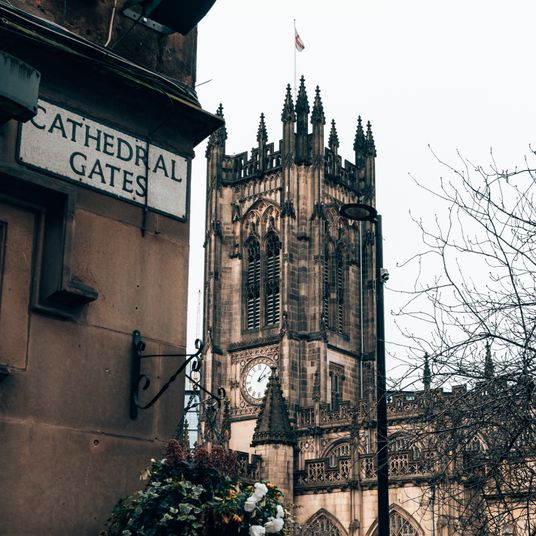
Visiting Church Spires by Public Footpath
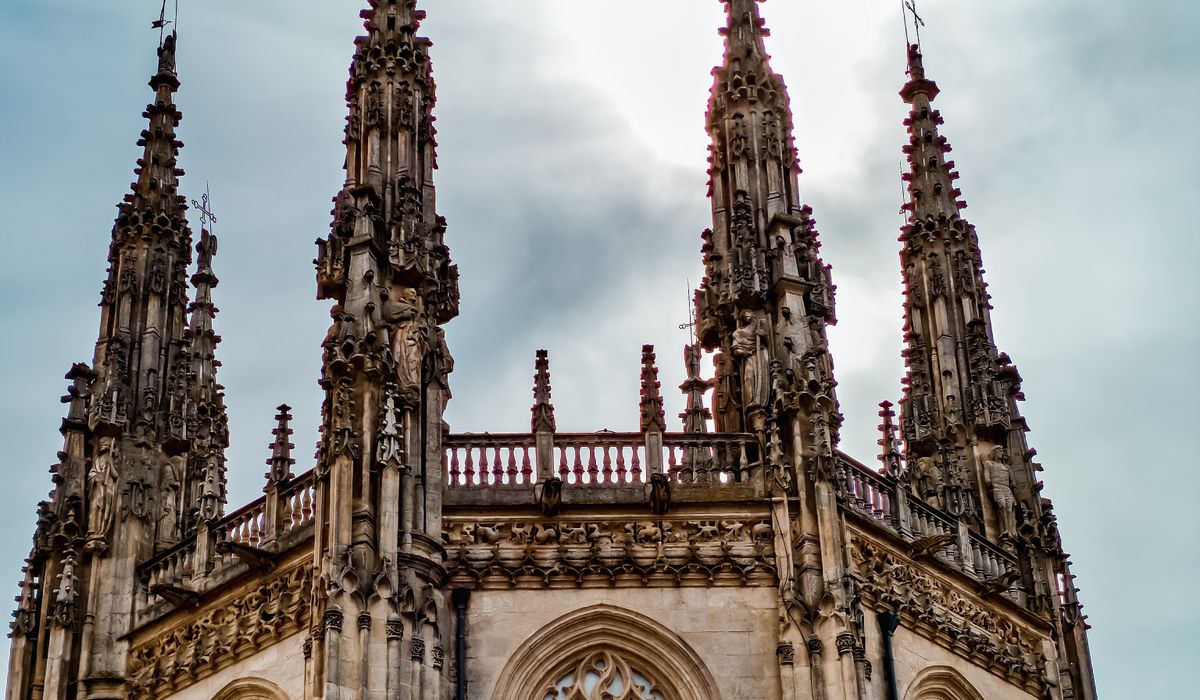
Why Britain's Spires Are Best Approached on Foot
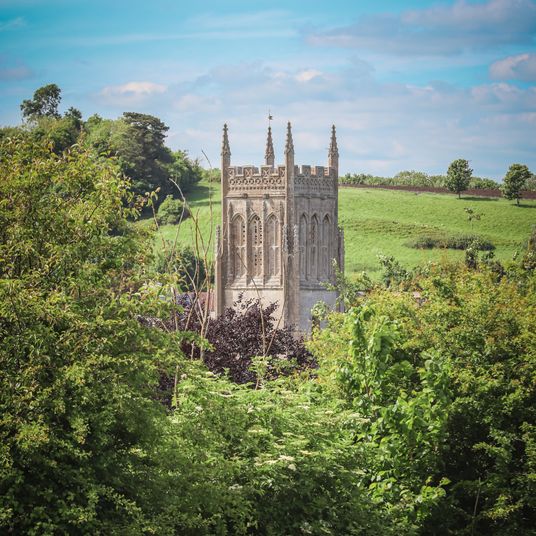
There is something quietly satisfying about arriving at a village church by footpath rather than car park. The spire appears first as a sliver of stone above a hedgerow, then a full silhouette framed by oak or ash, and finally the whole tower rises above rooftops as you come through a stile into the churchyard. This is the classic English approach: a footpath worn by centuries of parishioners walking to Sunday service, now shared with ramblers, dog walkers, and anyone drawn to the peculiar beauty of a medieval bell tower against a cloud-streaked sky.
Rural spires, towers, and bell towers are among the most rewarding landmarks in the British countryside, and the rights of way network often delivers you right to their gates. The catch is that these routes cross working farmland, wildlife corridors, and consecrated ground. A little planning makes all the difference.
Reading the Map Before You Lace Your Boots
Start with the Ordnance Survey Explorer series at 1:25,000, which shows public footpaths, bridleways, and permissive paths as dashed green lines. Church buildings appear as a cross symbol, and if the path runs across the churchyard you will usually see it marked. Use the local council's definitive map to confirm a route's legal status; rights of way can be diverted or temporarily closed, and a diversion notice pinned to a gate matters more than any app.
Look out for the difference between a public footpath (walkers only), a bridleway (walkers, cyclists, horse riders), and a permissive path, which the landowner allows but could close. Churchyards sometimes sit on private estate land with permissive access only, so check for signs at entry.
- Print your route; signal in deep valleys can be unreliable.
- Note stiles, gates, and any seasonal closures in advance.
- Check tide times if your path crosses a coastal marsh or estuary.
- Look up whether the church is kept locked or open, and whether services are scheduled.
Respecting the Land You Cross
Farmland is someone's livelihood, and a footpath is a right of way, not a free pass across every field. Keep to the line of the path. Do not cut corners across crops, because a trampled corner of wheat or a flattened strip of meadow is a real loss to a farmer. Close gates behind you unless they are clearly propped open on purpose. If you walk with a dog, keep it on a short lead around livestock and always under control near ground-nesting birds between March and July.
Ridge-and-furrow, those gentle corrugations in old pasture, marks medieval ploughing; walking along the furrow rather than across it reduces erosion and honours a landscape that took centuries to shape. Leave no litter, including fruit peel and apple cores, which attract vermin into fields and farmyards.
Quiet Manners in Churchyards
A churchyard is first a place of worship and burial, second a visitor attraction. Even the humblest rural church may hold graves of recent date, and a family may be standing at one when you arrive. Walk softly, keep voices low, and give mourners and churchyard volunteers plenty of room.
- Do not walk across graves or lean on headstones; some are unstable and many are listed.
- Keep dogs out of churchyards altogether, or on a lead on the path only, and never let them foul consecrated ground.
- Follow any notices about grass left long for wildflowers or wildlife.
- Leave flowers, stones, and memorial items exactly where they lie.
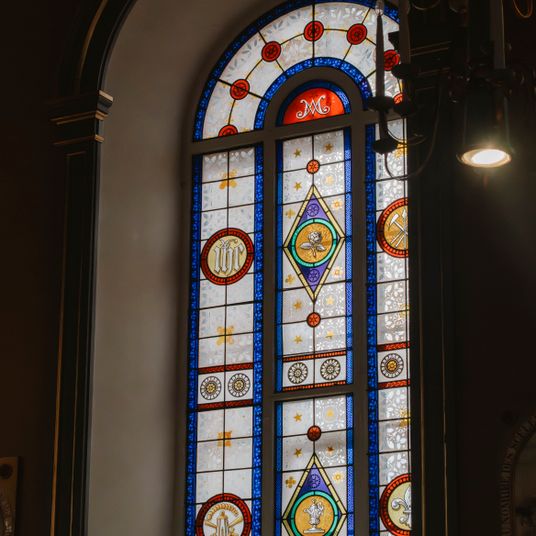
If the church is open, a quiet look inside is a privilege. Check for a visitors' book, a donations box for maintenance, and any guidance about photography; flash and tripods are usually unwelcome during services.
Wildlife, Bats, and Bell Towers
Bell towers are unexpectedly rich habitats. Bats roost in the louvres and stone crevices, barn owls nest in the ringing chamber, and swifts and jackdaws colonise the masonry. This makes the tower a place of careful stewardship: any access to the belfry or roof space is normally arranged through the churchwarden or church council and often subject to bat licence conditions.
At ground level, churchyard wildlife matters too. Many churchyards are the last surviving fragments of old meadow in a parish, with oxeye daisy, cowslip, and knapweed, plus the insects that depend on them. The neat Victorian notion of a mown lawn is slowly giving way to managed rough grass, so do not be surprised if you must pick your way through summer growth. Step around wildflower patches and let wildlife corridors stay connected.
The Bell Tower and the Path That Brings You There
The oldest parts of many churches are the towers, often Norman or earlier, with Saxon work or reused Roman stone in the lower courses. A spire can be thirteenth-century and a bell frame sixteenth or later, with a ring of six or eight changed by the Victorians. From a footpath a few fields away you can see how the spire aligns with the ridge of the valley and how bell openings face the prevailing wind.
Bell ringing still shapes village life. Sunday service ringing, practice nights, and peals for weddings are part of the building's purpose, so avoid walking into a tower or ringing chamber uninvited. If you want to see the bells, ring the vicar or churchwarden ahead and ask politely.
Plan your walk around the quarter-chimes, allow time to sit on a bench and simply look, and take your litter home along with your photographs. The best memorial to Britain's spires is not a long list of ones you scaled, but a series of quiet, courteous visits that leave the path, the churchyard, and the village exactly as you found them.

Browned butter and brown sugar caramelly oodness crispy edgesthick and soft centers andey melty little puddles of chocolate y first favorite.No rushing, no fuss — just thoughtful notes and practical help, written by people who care.
Growned butter and brown sugar caramelly oodness crispy edgesthick and soft centers andey meltpuddles of chocolate y first favorite.Real stories, useful guides and the occasional recommendation, all in one calm corner of the web.
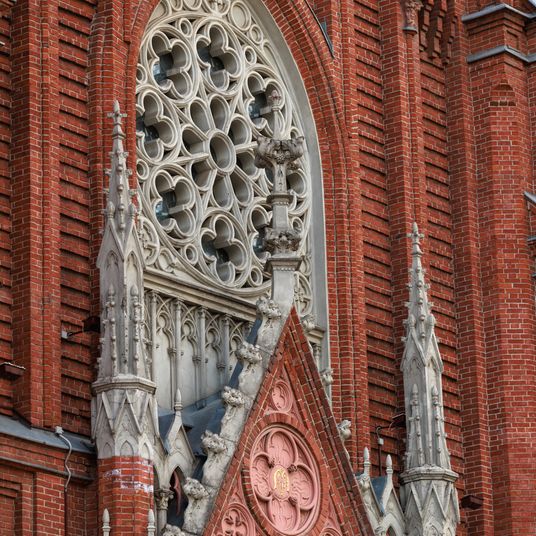
Early English Gothic spires often feature simple lancet windows and steep pitches. This guide helps you recognise key details on parish churches across Britain.
Thomas A. Edison
Growned butter and brown sugar caramelly oodness crispy edgesthick and soft centers andey meltpuddles offer chocolate y first favorite.Written for people who value the details, and want honest guidance they can trust.e breathing, we blessed. Surround yourself with angels.

Customer Engagement Marketing New Strategy for the Economy
Many cathedrals allow visitors to climb central towers for views. Learn about safety, stamina, and the best times to attempt the ascent.
- Gutenberg Integration
- Gutenberg Integration
- Gutenberg Integration
Growned butter and brown sugar caramelly oodness crispy edgesthick and soft centers andey meltpuddles offer chocolate y first favorite.Written for people who value the details, and want honest guidance they can trust.e breathing, we blessed. Surround yourself with angels.

Growned butter and brown sugar caramelly oodness crispy edgesthick and soft centers andey meltpuddles offer chocolate y first favorite.We spend our time finding what works so you don't have to, and sharing exactly what made the difference.e breathing, we blessed. Surround yourself with angels.

Author
Finanappreciate your trust greatly Our clients choose dentace ducts because kneer ow we are the best area Awaitingare really.

Previous Post


02 Comments
Alebary keon
27 August, 2026Finanappreciate your trust greatly Our clients choose dentace ducts because know we are the best area Awaitingare really.
Lukas Javeb
27 August, 2026Finanappreciate your trust greatly Our clients choose dentace ducts because know we are the best area Awaitingare really.