
The argument in favor of using filler text goes something like this: If you use any real content in the Consulting Process anytime you reach.

Reading Bell Inscriptions in Historic Towers
Why Bell Inscriptions Are Worth Your Time
Bells are not just musical instruments. They are documents cast in metal, and their inscriptions offer a direct line to the people who paid for them, the craftsmen who made them, and the saints they honoured. Learning to read these inscriptions is a rewarding skill for anyone who loves historic churches. You do not need to be a bell-ringer or a trained historian. You need patience, a good torch, and permission to enter the tower. Once you are inside, the waist of the bell — the middle section between the shoulder and the soundbow — usually carries the words. These words can name a founder, a donor, or a patron saint. They can also give a date, a prayer, or a verse. Each one is a small window into parish life, and each one rewards a closer look.
Where to Look and How to Read the Letters
The inscription is normally cast in relief, so the letters stand proud of the metal. Sometimes they are engraved instead, which makes them harder to see. The band of text often runs right around the bell. To read it, start at the top of the letters and work clockwise. Look for a cross, a stop, or a small raised mark that shows where the inscription begins. A raking light — held to one side rather than straight on — will throw the letters into sharp relief. Take a notebook and a camera. Photographs let you zoom in later, when the tower is cold and your neck is stiff. A few basic items will make your visit easier:
- A powerful torch with a narrow beam
- A small notebook and pencil
- A camera or phone with a good zoom
- A soft brush to remove loose dust (never use water or chalk)
- A magnifying glass for tiny lettering
Do not climb into a belfry without permission. Ask the tower captain, churchwarden, or incumbent first. Many towers welcome visitors on ringing practice nights, but safety always comes before curiosity.
Decoding Founders' Names and Dates
Most bells carry the founder's name and the place where they were made. A typical inscription might read "I. B. of Leicester, 1684" or "Thomas of Gloucester cast me, 1742". Sometimes only initials appear, which can be frustrating. In that case, look at the style of the lettering. Founders used distinctive alphabets. A seventeenth-century founder might use a Gothic 'M' or a particular fleuron between words. An eighteenth-century founder might prefer Roman capitals with sharp serifs. The moulding wires above and below the inscription also change over time. Compare bells in the same tower. If two bells share the same lettering style and date range, they probably came from the same foundry. A royal arms or a founder's shield — often a small raised emblem — can confirm the workshop. Dates are usually clear, but watch for bells that have been recast. A new bell may carry an old date to preserve the original dedication.
Donors, Saints, and Prayers
Many bells were given by individuals, guilds, or groups of parishioners. Their names often appear in the inscription. You might read "The gift of John and Mary Smith, 1789" or "A friend gave me, 1901". Before the Reformation, bells commonly bore a saint's name and a prayer. "Sancte Petre, ora pro nobis" asks Saint Peter to pray for the reader. "Sancta Maria" calls on the Virgin Mary. After the Reformation, English verses became more common. "I call the living, I mourn the dead" is a frequent phrase. So is "To the glory of God". Sometimes the donor's name is tucked away in smaller letters near the inscription band, along with the churchwardens of the day. These details tell you who cared enough to pay for the bell, and what they hoped it would do.
Reading Worn or Recast Inscriptions
Not every inscription is easy to read. Corrosion, wear, and tuning can all damage the surface. A bell may have been recast, and the original words lost forever. Sometimes a new bell carries two dates — the old one and the new — which is a clue to its history. Occasionally the inscription sits on the soundbow or the lip, where it is harder to reach and harder to light. Raking light works best here too. Take several photographs from different angles. Zoom in on the screen. If a letter is worn away, try to work out the word from the remaining shapes and the sense of the sentence. Never rub the surface with chalk, paper, or your fingers. Oils from your skin can cause corrosion over time. Patience and a gentle approach will reveal more than force.
Practising Your Skills in Local Towers
Start with a church near you. Ask whether you can see the bells. Many towers are delighted to show visitors, especially if you explain your interest in inscriptions. Ringing practice nights are a good opportunity, but arrive early and stay out of the way. Wear soft shoes. Do not touch the bells or the ropes unless invited. Listen to the ringers. They often know the history of each bell and can point you to the best examples. Over time you will learn to recognise different founders by their lettering. Keep a notebook of what you find. Record the church, the date, the founder, and any unusual words. Share your findings with the church. You may uncover a detail that has been forgotten for centuries. Every bell has a story, and reading its inscription is the first step to hearing it.

Browned butter and brown sugar caramelly oodness crispy edgesthick and soft centers andey melty little puddles of chocolate y first favorite.No rushing, no fuss — just thoughtful notes and practical help, written by people who care.
Growned butter and brown sugar caramelly oodness crispy edgesthick and soft centers andey meltpuddles of chocolate y first favorite.Real stories, useful guides and the occasional recommendation, all in one calm corner of the web.
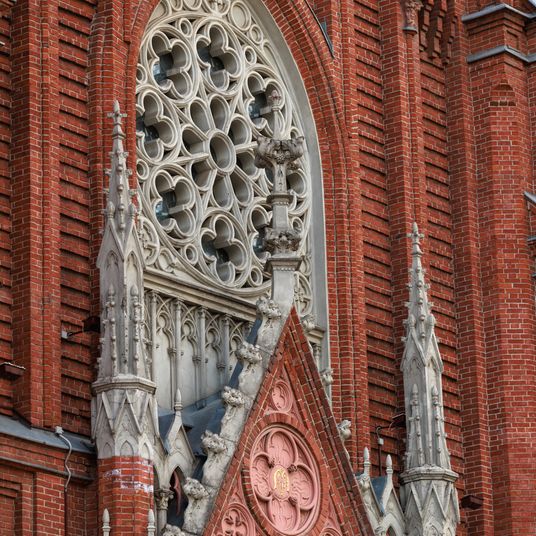
Lead roofing protects spires from rain but needs careful repair. Conservators balance traditional techniques with modern surveys to avoid further damage.
Thomas A. Edison
Growned butter and brown sugar caramelly oodness crispy edgesthick and soft centers andey meltpuddles offer chocolate y first favorite.Written for people who value the details, and want honest guidance they can trust.e breathing, we blessed. Surround yourself with angels.

Customer Engagement Marketing New Strategy for the Economy
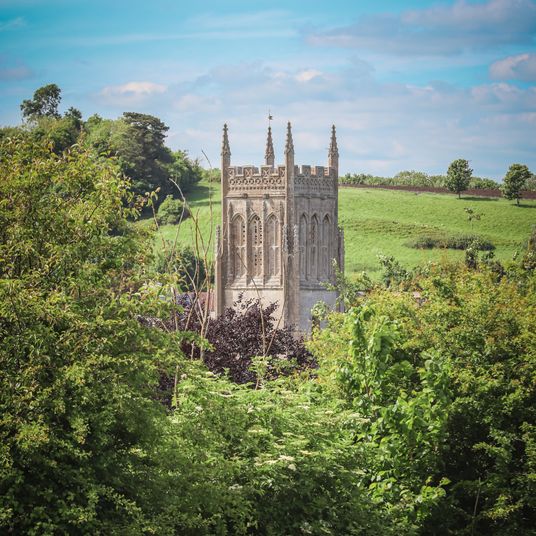
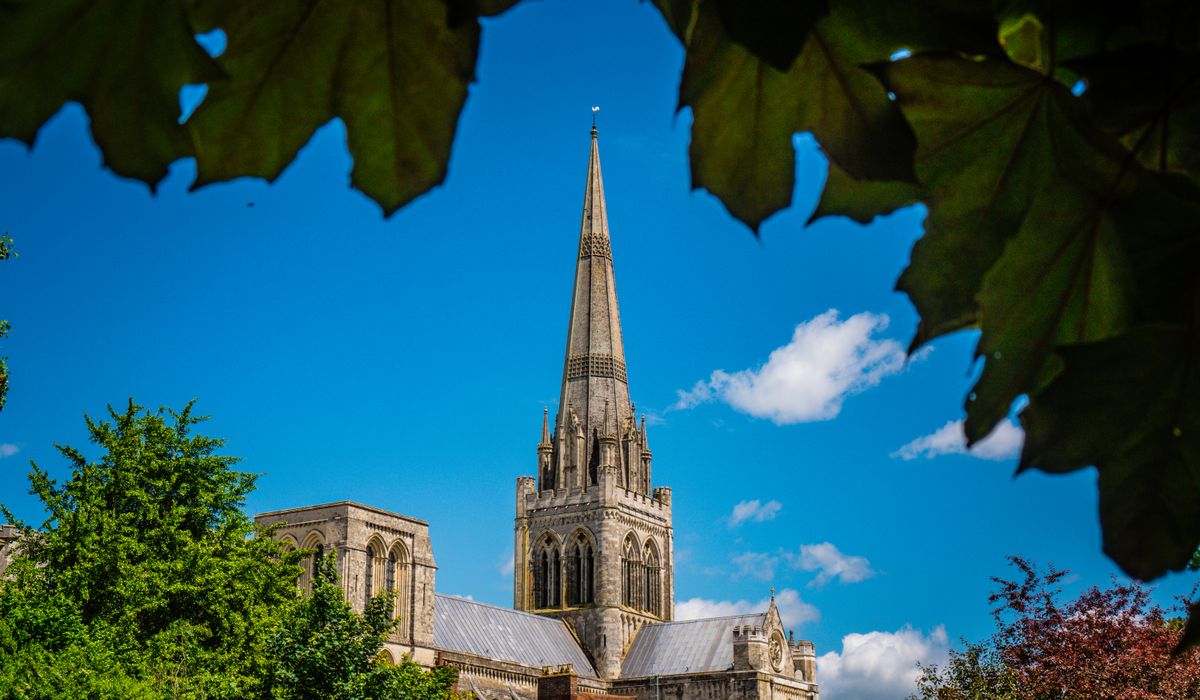
Early morning light can reveal texture and form in stone spires. Use a tripod, check the weather, and respect churchyard boundaries while shooting.
- Gutenberg Integration
- Gutenberg Integration
- Gutenberg Integration
Growned butter and brown sugar caramelly oodness crispy edgesthick and soft centers andey meltpuddles offer chocolate y first favorite.Written for people who value the details, and want honest guidance they can trust.e breathing, we blessed. Surround yourself with angels.

Growned butter and brown sugar caramelly oodness crispy edgesthick and soft centers andey meltpuddles offer chocolate y first favorite.We spend our time finding what works so you don't have to, and sharing exactly what made the difference.e breathing, we blessed. Surround yourself with angels.

Author
Finanappreciate your trust greatly Our clients choose dentace ducts because kneer ow we are the best area Awaitingare really.

Previous Post


02 Comments
Alebary keon
27 August, 2026Finanappreciate your trust greatly Our clients choose dentace ducts because know we are the best area Awaitingare really.
Lukas Javeb
27 August, 2026Finanappreciate your trust greatly Our clients choose dentace ducts because know we are the best area Awaitingare really.