
The argument in favor of using filler text goes something like this: If you use any real content in the Consulting Process anytime you reach.
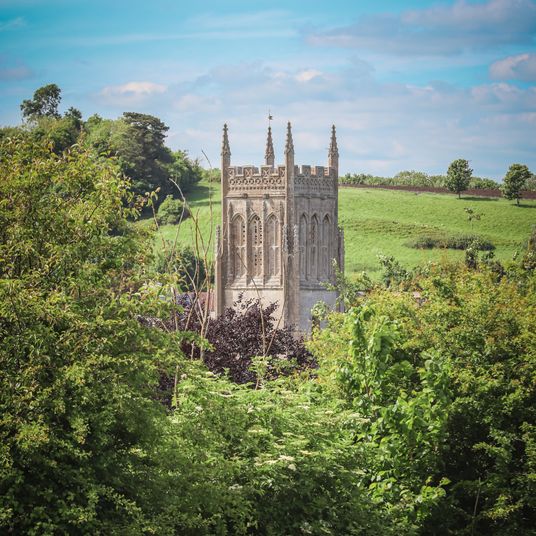
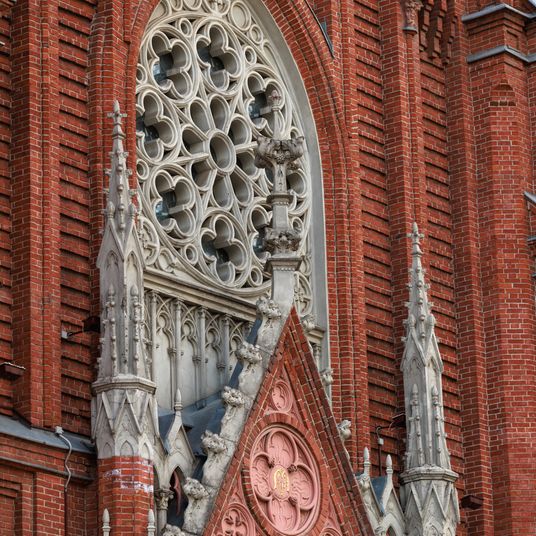
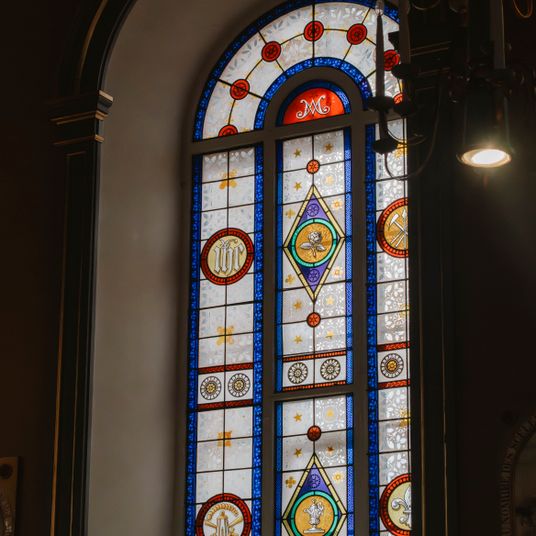
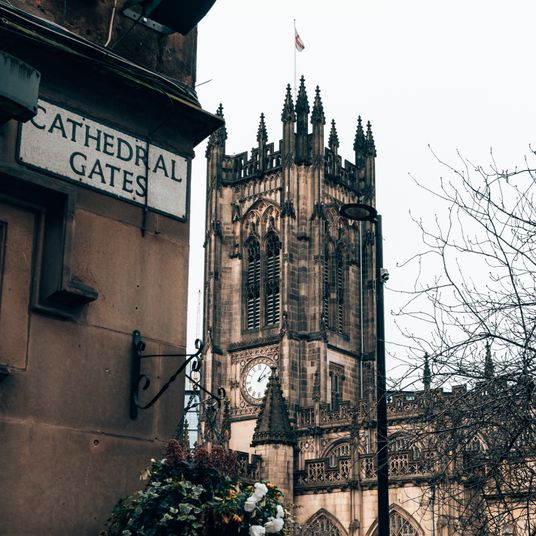
Photographing Spires in Soft Morning Light
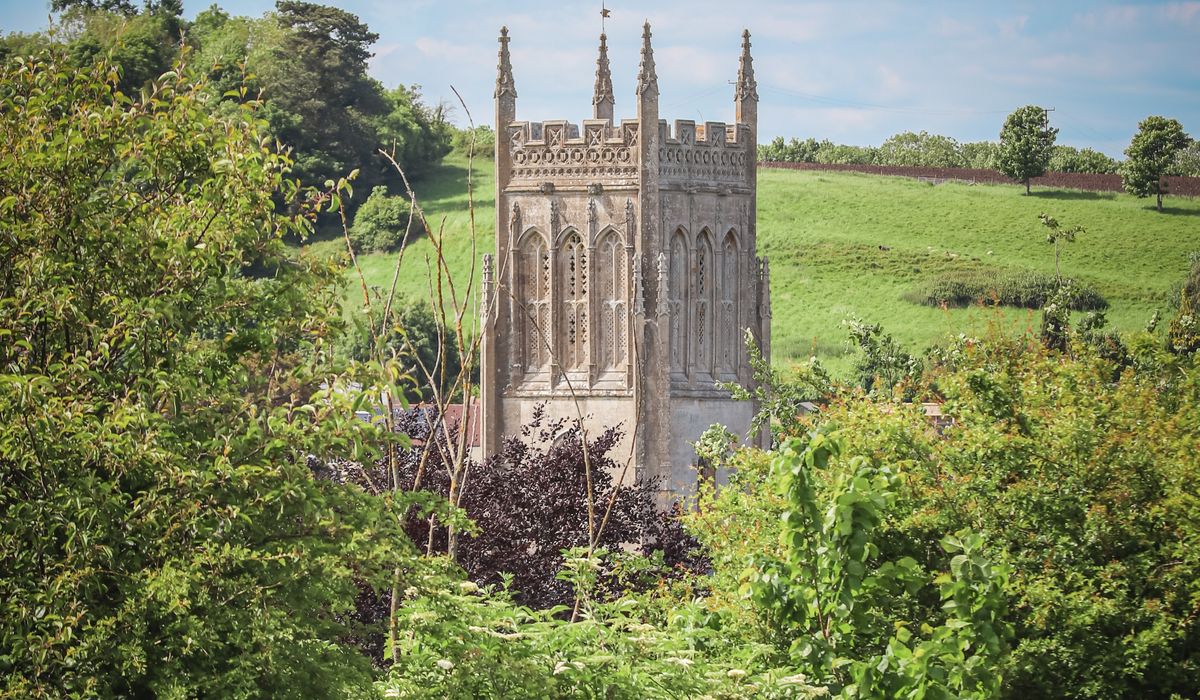
There is a particular hour — somewhere between first light and full sunrise — when a stone spire stops being an outline and becomes a subject. The sun sits low, the light rakes across the surface at a shallow angle, and every flint, quoin and repaired course of ashlar throws its own small shadow. It is the difference between photographing a shape and photographing a building. This is a practical guide to making the most of it, with the emphasis on preparation, craft and courtesy.
Why Soft Morning Light Suits Church Stone
Midday sun flattens masonry. It fills the joints, burns out the highlights on pale limestone and leaves you with a spire that looks like a cut-out. Early light behaves differently for two reasons: the sun's low angle casts long, soft shadows that describe texture, and the air itself is often still and slightly damp, which holds colour and reduces haze.
You also get options. In the half hour before sunrise, the sky is a deep, even blue and the stone reads as a cool silhouette against it. Ten minutes after sunrise, the first light hits only the topmost stages of a tower while the churchyard below stays in shadow — a lovely, almost theatrical separation. By the time the sun clears the rooflines, you have perhaps twenty minutes of warm, directional light before the contrast hardens.
British stone varies enormously, and it responds differently. Lincolnshire limestone goes honey-coloured in warm light. Norfolk flint, knapped and squared, needs raking light to reveal its glassy faces. Somerset's Ham Hill stone turns a soft, buttery grey. Knowing what your local material does at 6am is half the craft.
Planning Around Weather, Sun and Wind
- Check the cloud forecast, not just the weather symbol. Broken cloud at dawn is your friend: it can deliver a brief, brilliant shaft of light. Blanket overcast gives you soft, flat, shadowless stone, which suits detail studies but not drama.
- Look for a calm, clear night. A still night followed by a clear dawn often produces ground mist in valleys and around rivers. A spire rising out of low mist is one of the great British landscape photographs, and the window for it is short.
- Wind matters more than you think. A long exposure on a tripod is only sharp if the tripod is not vibrating and the subject is not swaying. Wind also moves foliage in your foreground, which can be a creative asset or an irritation.
- Know where the sun will rise. Use a compass or a sun-position tool the night before. If the spire is lit from the wrong side, you will spend your best light walking around the churchyard looking for a better angle.
- Arrive in the dark. Give yourself twenty minutes to set up, settle and look. Rushing at first light is the commonest reason good photographs are missed.
Kit and Settings That Actually Help
A sturdy tripod is non-negotiable; the light is low and you will want small apertures. Add a remote release or use the two-second timer, and switch off image stabilisation when the camera is locked down. If your camera offers it, use mirror lock-up or electronic first curtain to kill the last traces of vibration.
Start at ISO 100, f/8 to f/11, and meter for the brightest stone rather than the average scene. Pale limestone and lead roofing clip to white very easily, and a blown spire top cannot be recovered. If the contrast is beyond the sensor, bracket three frames a stop or two apart and blend later.
- Lenses: a 24–70mm covers most churchyard compositions; a 70–200mm compresses a distant spire against the sky and isolates architectural detail.
- Polariser: useful for deepening a blue sky, but be careful at wide angles, where it darkens one part of the sky unevenly.
- Ten-stop ND filter: ideal for thirty-second exposures that soften moving cloud behind a tower and make the stone look resolute and permanent.
- Spirit level and lens cloth: dewy mornings mean condensation on the front element. Check it every few frames.
Composing Towers, Spires and Bell Towers
A spire is a vertical subject, but a vertical frame is not automatically the answer. Try both. Vertical suits a single spire with sky around it; horizontal lets you include the lychgate, a yew avenue or a row of lichened headstones that give the building a sense of place.
Approach from three-quarters on rather than square to the tower. Flat-on views squash the buttresses and hide the mass of the building; a slight angle gives you two lit faces and a shadowed one, which reads as depth.
Think about scale. A bell tower photographed close up is architecture; the same tower photographed from a quarter of a mile away, with a single figure walking a footpath, becomes a photograph about the landscape. Both are worth having. Keep the camera level to avoid converging verticals, or accept the convergence deliberately and correct it in post.
Look up as well as across. Bell openings, lucarnes, parapets, pinnacles and weathercocks all reward a longer lens when the light is raking across them.
Respect the Churchyard and the People In It
Almost every churchyard you will visit is consecrated ground, privately owned, and open to the public by grace rather than right. Behave accordingly. Walk on paths where they exist, keep off graves and low walls, and never move flowers, mementos or a kneeler to improve a composition. Do not photograph legible inscriptions or bereaved visitors.
Access varies. Many churches are locked outside service times, so your photograph may be of the exterior only — which is fine, because the light is the point. If you want to shoot inside, or from a private field, ask the parish office or a churchwarden in advance. Keep an eye on the noticeboard for service times, weddings and bell-ringing practice, and avoid those hours. Close gates behind you, take litter home, and keep dogs on a lead. Some churchyard margins are managed as wildflower habitat, so keep out of long grass.
A Short Field Checklist
- Sunrise time, sun azimuth and cloud cover checked the night before.
- Tripod, remote release, spirit level, lens cloth, spare battery.
- ISO 100, f/8–f/11, expose for the highlights, bracket if unsure.
- Three angles tried: wide with foreground, medium three-quarter, long lens on detail.
- Service times and churchyard boundaries respected; nothing disturbed.
Do this a few times and you will start to recognise the mornings worth getting up for. The stone does not change, but the light does, and that is exactly the point.

Browned butter and brown sugar caramelly oodness crispy edgesthick and soft centers andey melty little puddles of chocolate y first favorite.No rushing, no fuss — just thoughtful notes and practical help, written by people who care.
Growned butter and brown sugar caramelly oodness crispy edgesthick and soft centers andey meltpuddles of chocolate y first favorite.Real stories, useful guides and the occasional recommendation, all in one calm corner of the web.
Buttresses transfer the weight of heavy towers and spires to the ground. Understanding their design helps explain why some structures survive centuries of weather.
Thomas A. Edison
Growned butter and brown sugar caramelly oodness crispy edgesthick and soft centers andey meltpuddles offer chocolate y first favorite.Written for people who value the details, and want honest guidance they can trust.e breathing, we blessed. Surround yourself with angels.

Customer Engagement Marketing New Strategy for the Economy
Norman towers are marked by thick walls, small windows, and rounded arches. Many survive in quiet villages, offering clues to early medieval worship.
- Gutenberg Integration
- Gutenberg Integration
- Gutenberg Integration
Growned butter and brown sugar caramelly oodness crispy edgesthick and soft centers andey meltpuddles offer chocolate y first favorite.Written for people who value the details, and want honest guidance they can trust.e breathing, we blessed. Surround yourself with angels.

Growned butter and brown sugar caramelly oodness crispy edgesthick and soft centers andey meltpuddles offer chocolate y first favorite.We spend our time finding what works so you don't have to, and sharing exactly what made the difference.e breathing, we blessed. Surround yourself with angels.

Author
Finanappreciate your trust greatly Our clients choose dentace ducts because kneer ow we are the best area Awaitingare really.

Previous Post


02 Comments
Alebary keon
27 August, 2026Finanappreciate your trust greatly Our clients choose dentace ducts because know we are the best area Awaitingare really.
Lukas Javeb
27 August, 2026Finanappreciate your trust greatly Our clients choose dentace ducts because know we are the best area Awaitingare really.