
The argument in favor of using filler text goes something like this: If you use any real content in the Consulting Process anytime you reach.
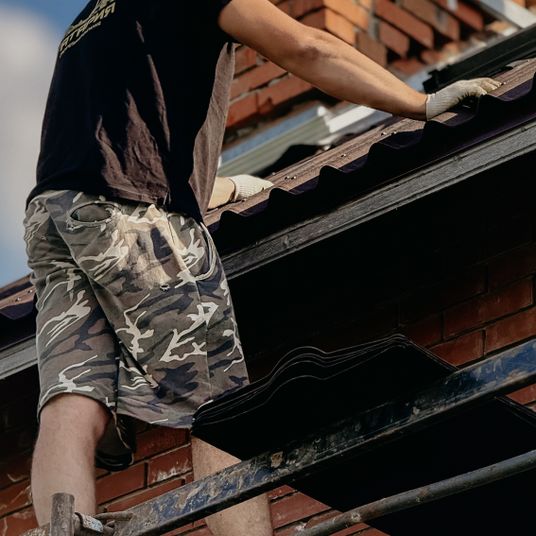

How to Document a Spire for Heritage Records

Why Document a Spire?
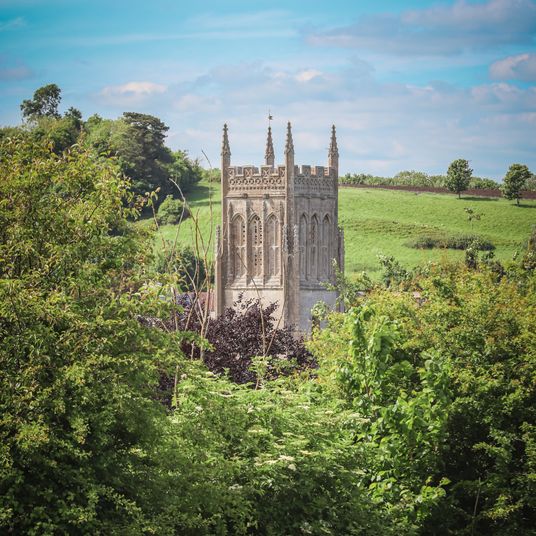
Britain's church spires and towers are among the most recognisable features of our landscape. From the slender needle of a Lincolnshire parish to the sturdy bell tower of a Cotswold church, each one tells a story of craftsmanship, faith, and community. But these structures are also vulnerable. Weather, settlement, and well-meaning repairs can alter them subtly over decades. Documenting a spire properly creates a baseline record. It allows future conservators to understand what has changed, why, and how best to intervene. Good records also support faculty applications, grant bids, and quinquennial inspections. Whether you are a volunteer, a churchwarden, or a professional surveyor, the principles remain the same: measure, photograph, and describe.
Before You Begin: Preparation and Permissions
Never turn up at a church with a ladder and good intentions. You will need permission from the incumbent and the parochial church council. For any work that involves access to the tower or spire, a faculty may be required, and a risk assessment is essential. Check insurance and consider whether you need a qualified steeplejack or rope access technician. Gather your tools: a 30-metre tape, a laser distance meter, a plumb line, a clinometer, a compass, and a sturdy notebook. For photographs, a camera with a prime lens (35mm or 50mm) and a tripod will serve you well. Print a checklist of what to record. Dress for the weather, and always work in pairs. If in doubt, seek advice from your diocesan advisory committee or local record office.
Measured Drawings: The Backbone of the Record
Measured drawings need not be works of art. Clear, annotated sketches or CAD plans are more useful than a beautiful but inaccurate rendering. Start with a location plan showing the church in its churchyard. Then produce an elevation of the spire or tower from at least two sides. Note the overall height from ground to finial, the width at the base, and the thickness of the walls. Record the profile: is it a broach spire, a recessed spire, or a parapet with pinnacles? Mark the positions of lucarnes, louvres, clock faces, and string courses. Use a plumb line to check for lean, and a clinometer to measure the angle of the spire's faces. Take dimensions at several levels. Note any deviation from vertical. If you can, draw a section showing the internal structure, including the bell frame and any floors. Label everything with dates and your initials.
Photographic Recording: Light, Scale, and Detail
Photographs are your most immediate record, but they can mislead. Avoid wide-angle lenses that distort proportions. Use a prime lens and step back. Take general views from the four cardinal points, ideally on an overcast day to avoid harsh shadows. Include a scale rod or a person for size. For details, use a macro lens or close-up setting: record the finial, weathercock, louvres, masonry joints, and any cracks or vegetation. Always include a north arrow and a note of the date and time. Shoot in RAW if you can, and keep the original files. Take notes as you go, linking each photograph to a location on your drawing. A simple grid system works well: photograph each face in overlapping sections. Remember to photograph any previous repairs, which often leave tell-tale differences in stone colour or mortar.
Written Notes and Condition Surveys
Your written notes bring the drawings and photographs to life. Record the materials: limestone, sandstone, flint, brick, or render. Note the mortar type and any pointing. Describe the condition of the stonework, using standard terms such as 'sound', 'weathered', 'eroded', 'fractured', or 'spalling'. Map defects: a crack in the south-east face, two metres above the belfry louvre, 3mm wide. Note vegetation, water staining, and rust stains from iron fixings. Include the bell tower: are the louvres intact? Is the bell frame timber or iron? Is there a clock? Record any previous repairs, with dates if known. Use a consistent format, perhaps a table with columns for location, defect, severity, and recommended action. Sign and date every page. These notes will become the primary reference for future surveys.
Archiving and Sharing Your Records
A record that sits in a drawer is of little use. Deposit copies with your diocesan record office, the county archive, and the national heritage record for your area. Keep a set in the parish chest. For digital files, use stable formats such as TIFF for images and PDF/A for documents. Include metadata: who made the record, when, and with what equipment. Back up your files in at least two places, and consider uploading to a reputable online archive. Share your findings with the parochial church council and your quinquennial inspector. If you have discovered something unexpected—a blocked doorway, a reused carving, a crack that has widened—tell your diocesan advisory committee. Good documentation is an act of stewardship. It celebrates Britain's spires and towers by ensuring they are understood, cared for, and enjoyed for generations to come.

Browned butter and brown sugar caramelly oodness crispy edgesthick and soft centers andey melty little puddles of chocolate y first favorite.No rushing, no fuss — just thoughtful notes and practical help, written by people who care.
Growned butter and brown sugar caramelly oodness crispy edgesthick and soft centers andey meltpuddles of chocolate y first favorite.Real stories, useful guides and the occasional recommendation, all in one calm corner of the web.
Victorian spires often need repointing, stone replacement, and new flashings. Early diagnosis can prevent small defects from becoming expensive structural problems.
Thomas A. Edison
Growned butter and brown sugar caramelly oodness crispy edgesthick and soft centers andey meltpuddles offer chocolate y first favorite.Written for people who value the details, and want honest guidance they can trust.e breathing, we blessed. Surround yourself with angels.

Customer Engagement Marketing New Strategy for the Economy
Bell sounds travel across rooftops and streets, marking services and special occasions. Their patterns connect listeners to a long musical and civic tradition.
- Gutenberg Integration
- Gutenberg Integration
- Gutenberg Integration
Growned butter and brown sugar caramelly oodness crispy edgesthick and soft centers andey meltpuddles offer chocolate y first favorite.Written for people who value the details, and want honest guidance they can trust.e breathing, we blessed. Surround yourself with angels.

Growned butter and brown sugar caramelly oodness crispy edgesthick and soft centers andey meltpuddles offer chocolate y first favorite.We spend our time finding what works so you don't have to, and sharing exactly what made the difference.e breathing, we blessed. Surround yourself with angels.

Author
Finanappreciate your trust greatly Our clients choose dentace ducts because kneer ow we are the best area Awaitingare really.

Previous Post

Next Post

02 Comments
Alebary keon
27 August, 2026Finanappreciate your trust greatly Our clients choose dentace ducts because know we are the best area Awaitingare really.
Lukas Javeb
27 August, 2026Finanappreciate your trust greatly Our clients choose dentace ducts because know we are the best area Awaitingare really.