
The argument in favor of using filler text goes something like this: If you use any real content in the Consulting Process anytime you reach.
Understanding Weather Vanes on Church Towers
Why Weather Vanes Perch on Sacred Roofs
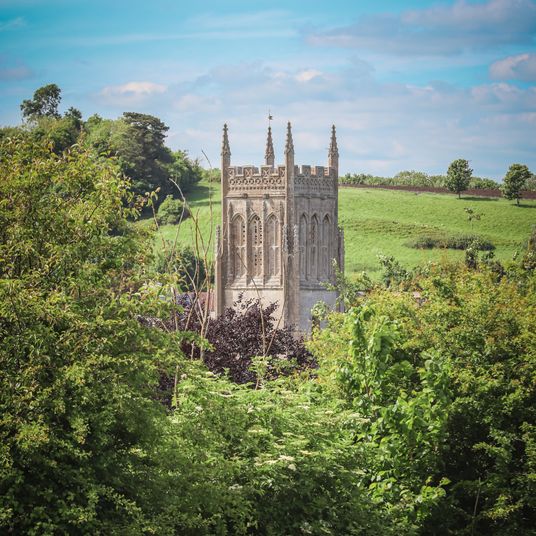
Weather vanes have crowned Britain's church towers and spires for centuries. Their primary purpose was practical: to show the wind's direction for bell ringers, farmers, and sailors. Yet on a sacred building, they also carried layers of symbolism. A vane turning freely in the wind became a metaphor for the Holy Spirit, for the fleeting nature of earthly life, and for the need to face the winds of change with faith. The earliest vanes were simple pennants or banners, but by the medieval period, more elaborate forms appeared. In Britain, the cockerel became especially common, though arrows, flags, and other shapes also took their place on the skyline. When you look up at a historic church, the vane is often the first thing to catch your eye, spinning against the clouds.
The Cockerel and Other Sacred Symbols
The cockerel is the most iconic weather vane on British churches. Its association comes from the Gospel story of St Peter denying Christ three times before the cock crowed. As a symbol of repentance and vigilance, it sits appropriately atop a church dedicated to St Peter. Some are gilded, others are plain iron. Look closely and you might see a fish, a key, a crossed sword, or a banner. Each carries meaning. A fish might indicate a church dedicated to St Andrew, a fisherman. Keys point to St Peter. A banner often represents a local saint or a victory. Some vanes take the form of an arrow, the classic weather vane shape, which may have no specific religious meaning but simply serves the wind. In coastal parishes, you may find a ship or an anchor. In agricultural areas, a plough or a horse. These are not random decorations; they are local signatures, cast in metal.
Reading the Date: Vanes as Clues to Later Additions
Weather vanes are invaluable for dating church towers and spires. The original medieval vane rarely survives, as iron rusts and storms bend metal. Many vanes were added or replaced during later restorations. If you see a date or initials on the vane, it can tell you when a tower was heightened, a spire added, or a roof repaired. For example, a vane dated 1723 might correspond to a Georgian restoration. Look for the maker's name or a decorative motif that matches the architectural style. A stiff, formal vane from the 18th century often sits on a tower with classical details. A Gothic Revival vane from the 19th century might adorn a spire rebuilt by the Victorians. The vane's position is also telling: a vane placed awkwardly on a pinnacle can suggest it was moved from an older structure. Always check the base for signs of reuse or adaptation.
Local Stories Cast in Iron
Beyond dates, vanes tell local stories. In some villages, the vane depicts a hare, a fox, or a lion, linked to a local legend or the lord of the manor. A windmill vane might recall a long-vanished mill. A dragon might mark a church dedicated to St George. These symbols were often chosen by the patron who paid for the vane, so they reflect personal or family pride as much as piety. In the Fens, you might spot an eel or a fish. In the Welsh Marches, a Welsh dragon. In Cornwall, a pilchard or a lugger. These vanes are not just functional; they are a form of folk art. They also serve as a record of changing tastes. A plain arrow might be replaced by a gilded cockerel in the Victorian era, when church restoration was fashionable. The vane you see today may be the third or fourth to crown that tower.
Practical Pointers for Spotting and Appreciating Vanes
To appreciate weather vanes fully, carry binoculars and look up on a clear day. The silhouette matters most: note the shape against the sky. Check the cardinal letters, if present, usually N, S, E, W. These help you confirm the wind direction and the vane's orientation. Look for gilding, paint, or rust. Gold leaf was common on cockerels, but it wears away. Rust streaks on a tower can indicate a leaking vane spindle, a maintenance issue. If you can, visit the churchyard and view the vane from different angles. Some are best seen from the south, others from the west. Many churches have guidebooks that mention the vane's history. Do not assume the vane is original; most are not. A careful look at the metalwork, the joints, and the fixings can reveal later additions. And if you see a vane that is bent or missing, report it to the churchwardens, as these small features are easily lost.
A Lasting Feature of the Skyline
Weather vanes are the crowning glory of Britain's historic church towers and spires. They show us which way the wind blows, but they also show us how previous generations thought about faith, place, and identity. Next time you pass a parish church, pause and look up. That spinning cockerel or arrow has survived storms, wars, and neglect. It has watched over the village for centuries. By learning to read its symbols and its dates, you join a long tradition of curious observers who understand that the smallest details often tell the largest stories. Celebrate these iron and copper witnesses. They are as much a part of our heritage as the bells below them.

Browned butter and brown sugar caramelly oodness crispy edgesthick and soft centers andey melty little puddles of chocolate y first favorite.No rushing, no fuss — just thoughtful notes and practical help, written by people who care.
Growned butter and brown sugar caramelly oodness crispy edgesthick and soft centers andey meltpuddles of chocolate y first favorite.Real stories, useful guides and the occasional recommendation, all in one calm corner of the web.
Recording a spire involves measured drawings, photographs, and written notes. Good documentation supports future conservation and helps track structural changes over time.
Thomas A. Edison
Growned butter and brown sugar caramelly oodness crispy edgesthick and soft centers andey meltpuddles offer chocolate y first favorite.Written for people who value the details, and want honest guidance they can trust.e breathing, we blessed. Surround yourself with angels.

Customer Engagement Marketing New Strategy for the Economy
Victorian spires often need repointing, stone replacement, and new flashings. Early diagnosis can prevent small defects from becoming expensive structural problems.
- Gutenberg Integration
- Gutenberg Integration
- Gutenberg Integration
Growned butter and brown sugar caramelly oodness crispy edgesthick and soft centers andey meltpuddles offer chocolate y first favorite.Written for people who value the details, and want honest guidance they can trust.e breathing, we blessed. Surround yourself with angels.

Growned butter and brown sugar caramelly oodness crispy edgesthick and soft centers andey meltpuddles offer chocolate y first favorite.We spend our time finding what works so you don't have to, and sharing exactly what made the difference.e breathing, we blessed. Surround yourself with angels.

Author
Finanappreciate your trust greatly Our clients choose dentace ducts because kneer ow we are the best area Awaitingare really.

Previous Post


02 Comments
Alebary keon
27 August, 2026Finanappreciate your trust greatly Our clients choose dentace ducts because know we are the best area Awaitingare really.
Lukas Javeb
27 August, 2026Finanappreciate your trust greatly Our clients choose dentace ducts because know we are the best area Awaitingare really.