
The argument in favor of using filler text goes something like this: If you use any real content in the Consulting Process anytime you reach.

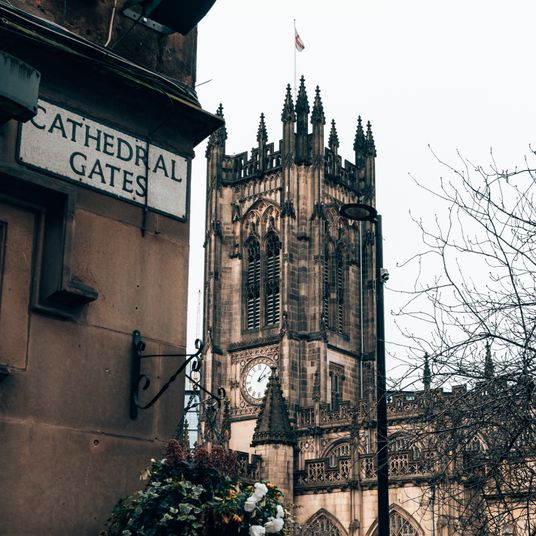
A Tour of Cathedral Central Towers
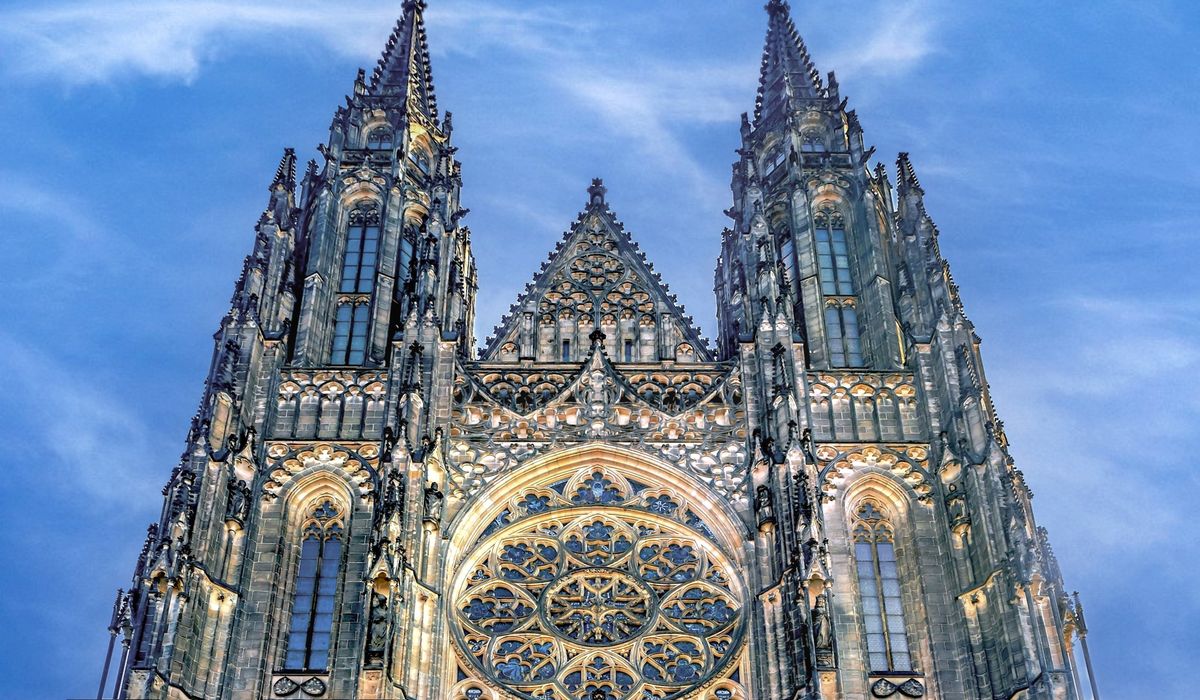
Why Central Towers Matter
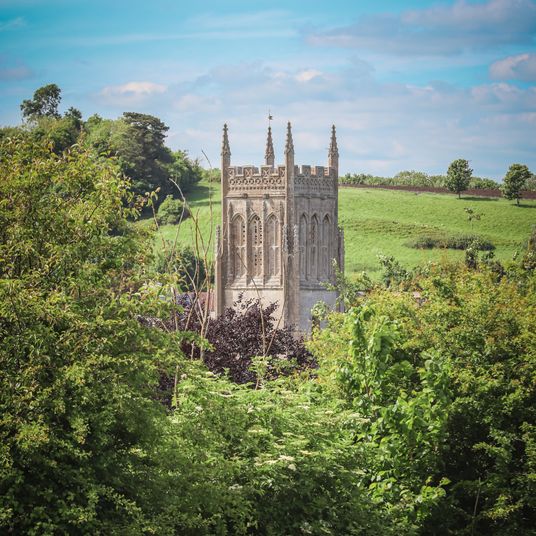
Walk into any great cathedral and your eye is pulled upward. The central tower — the one sitting over the crossing, where nave, choir, and transepts meet — is rarely the tallest part of the building, but it is almost always the heart. It marks the point where the architecture gathers itself and speaks. In Britain, these towers are a study in ambition and faith: Norman masons built them thick and defensive, Gothic builders made them soar with spires, and Victorian restorers patched them with iron and hope. Whether you are looking at Salisbury’s slender spire, Norwich’s sturdy Norman tower, or Ely’s remarkable octagon, the central tower is the building’s signature.
The Engineering of Ascent
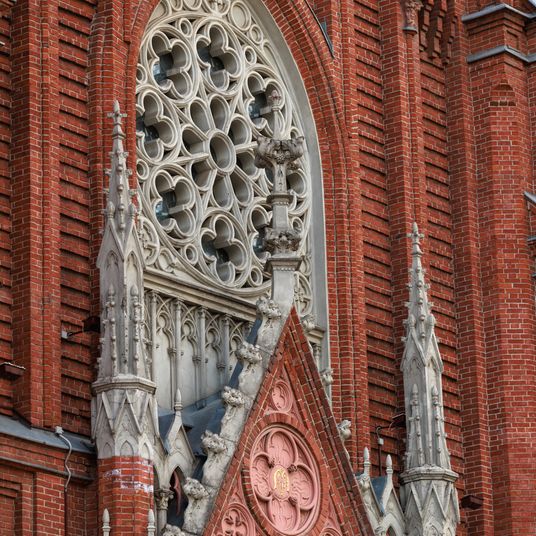
Building a tower over a crossing is a structural gamble. The four pillars must carry immense weight, and the walls below are often pierced by arches. Medieval builders used every trick they knew: massive foundations, buttresses, and — at Ely — a wooden octagon that spreads the load sideways. Spires added another challenge. Lincoln’s central spire, once the tallest in Europe, collapsed in 1549; a reminder that ambition outran engineering. Look closely at a tower and you can read its history: Norman rubble, Early English lancets, Decorated tracery, Perpendicular panelling. Stone came from local quarries — Barnack, Caen, Purbeck — and each has its own colour and weathering. When you climb, you are walking through centuries of trial and error.
Bells and the Ringing Chamber
Central towers are also musical instruments. Most cathedrals have a ring of bells — typically eight, ten, or twelve — hung in the ringing chamber below the belfry. Change ringing, that peculiarly British art, depends on the tower’s layout: ropes fall through holes in the ceiling, and ringers stand in a circle. The tenor bell, the heaviest, sets the key. Some towers still ring a curfew or a sanctus bell; others have bells that predate the Reformation. If you visit, ask about ringing times. Many cathedrals welcome visitors to watch practice nights, and a few offer tours of the bell chamber. Listen for the distinctive sound: not a carillon, but the clashing, cascading patterns of English change ringing.
Climbing the Tower: What to Expect
Tower tours are one of the best value experiences in Britain, but they are not for everyone. Expect 200 to 300 steps, often in a tight spiral. Staircases are worn, uneven, and sometimes pitch dark. There may be low beams, narrow passages, and a long wait while others descend. Wear sturdy shoes, leave large bags behind, and tell the guide if you suffer from claustrophobia, vertigo, or heart problems. Most tours last 45 to 90 minutes. The reward is a view that no drone can match: roofscapes of lead and stone, gargoyles at eye level, and a city spread out like a map. Check opening hours — many towers close in winter or during services — and book ahead in summer.
Five Central Towers Worth the Climb
- Salisbury Cathedral — The tallest spire in Britain at 123 metres. The tower tour climbs 332 steps. You see the spire’s internal scaffolding and the medieval clock. On a clear day, the view reaches the New Forest.
- Norwich Cathedral — A Norman tower of 96 metres, topped by a golden weather vane. The 280-step climb gives you a close look at the cathedral’s Romanesque arches and the winding River Wensum.
- Ely Cathedral — The Octagon tower is unique: a 14th-century timber lantern that feels like a ship’s hull. The tour includes the ringing chamber and a walkway around the base of the lantern.
- Durham Cathedral — A massive Romanesque tower, 66 metres high. The 325-step climb is rewarded by views of the castle, the river, and the city’s tight medieval streets.
- York Minster — The central tower, 72 metres, offers a 275-step climb. You pass the ringing chamber and see the minster’s famous rose window from above. The view over York’s rooftops is unforgettable.
Keeping the Towers Alive
Historic towers need constant care. Water gets into stone, bells wear out, and staircases become dangerous. Cathedrals rely on donations, tower tours, and volunteer bell-ringers to keep them open. You can help simply by visiting, buying a guidebook, or joining a ringing practice. If you are fit and curious, consider training as a bell-ringer — many towers are desperate for new recruits. And when you stand at the top, take a moment. These towers have survived fires, storms, and wars. They were built for worship, but they also belong to everyone who looks up. Climb one this year, and you will understand why.

Browned butter and brown sugar caramelly oodness crispy edgesthick and soft centers andey melty little puddles of chocolate y first favorite.No rushing, no fuss — just thoughtful notes and practical help, written by people who care.
Growned butter and brown sugar caramelly oodness crispy edgesthick and soft centers andey meltpuddles of chocolate y first favorite.Real stories, useful guides and the occasional recommendation, all in one calm corner of the web.
Historic drawings and engravings record spires before later repairs. Comparing them with current photographs can reveal lost details and changing silhouettes.
Thomas A. Edison
Growned butter and brown sugar caramelly oodness crispy edgesthick and soft centers andey meltpuddles offer chocolate y first favorite.Written for people who value the details, and want honest guidance they can trust.e breathing, we blessed. Surround yourself with angels.

Customer Engagement Marketing New Strategy for the Economy
Weather vanes sit atop many towers and spires. Their symbols, from cockerels to arrows, often carry local meaning and help date later additions.
- Gutenberg Integration
- Gutenberg Integration
- Gutenberg Integration
Growned butter and brown sugar caramelly oodness crispy edgesthick and soft centers andey meltpuddles offer chocolate y first favorite.Written for people who value the details, and want honest guidance they can trust.e breathing, we blessed. Surround yourself with angels.

Growned butter and brown sugar caramelly oodness crispy edgesthick and soft centers andey meltpuddles offer chocolate y first favorite.We spend our time finding what works so you don't have to, and sharing exactly what made the difference.e breathing, we blessed. Surround yourself with angels.

Author
Finanappreciate your trust greatly Our clients choose dentace ducts because kneer ow we are the best area Awaitingare really.

Previous Post


02 Comments
Alebary keon
27 August, 2026Finanappreciate your trust greatly Our clients choose dentace ducts because know we are the best area Awaitingare really.
Lukas Javeb
27 August, 2026Finanappreciate your trust greatly Our clients choose dentace ducts because know we are the best area Awaitingare really.