
The argument in favor of using filler text goes something like this: If you use any real content in the Consulting Process anytime you reach.
The Difference Between a Spire and a Steeple
Getting Your Terms Right
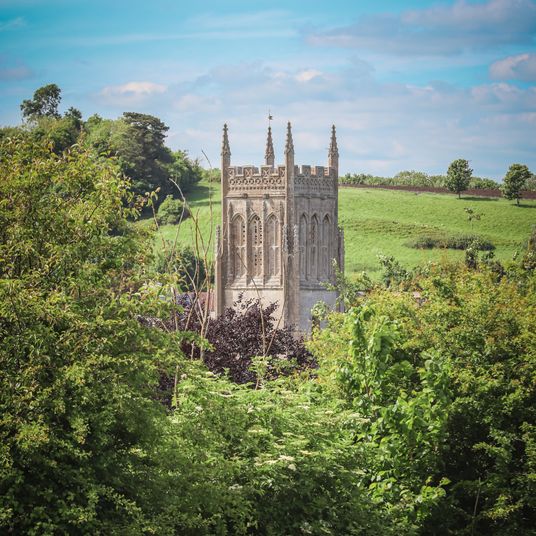
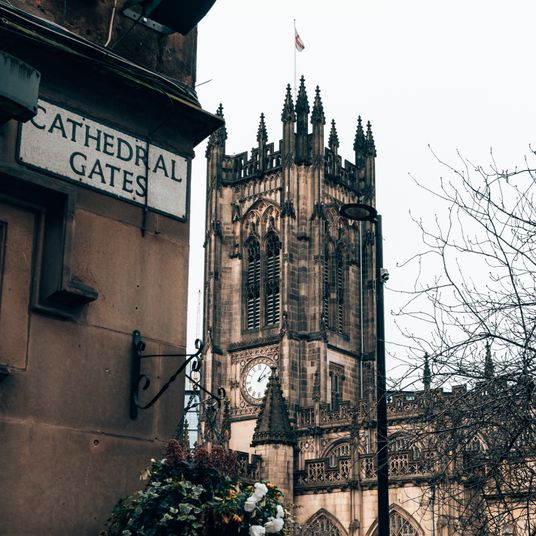
Stand in almost any British churchyard and you will hear someone point upwards and say something like, "Isn't that a lovely steeple?" Nine times out of ten they mean the spire. It is one of those mix-ups that nobody minds much, but if you are writing a guidebook entry, giving a talk to a local history group, or simply wanting to describe what you are looking at with confidence, the distinction is worth getting straight. The short version is this: a spire is a tapering roof, usually of stone, slate, lead or copper, that rises to a point. A steeple is the whole vertical assembly — the tower below and the spire above it, taken together as one feature.
So a steeple can contain a spire, but a spire is never a steeple on its own. A tower crowned with battlements and no spire is still a tower, not a steeple. This is why the old rhyme about "the church with the tallest steeple" is really a claim about the full height from ground to finial, not about the spire alone.
What Counts as a Spire
A spire is essentially a roof designed to shed water from a very steep pitch. Its footprint is usually square, octagonal or occasionally circular, and it tapers as it rises. The angle matters: a broach spire sits directly on a square tower and uses a series of triangular "broaches" at the base to make the transition to an octagonal shaft. A needle spire is extremely slender, often of timber clad in lead or copper, and looks alarmingly delicate from below. A recessed spire starts behind a parapet, so the tower's top edge remains visible as a rim.
Spires are regional in character. The limestone belt from Northamptonshire through Lincolnshire and into Yorkshire is famous for tall, slender stone spires — think of the "spire county" tag that Northamptonshire has carried for centuries. In the east of England, by contrast, you are more likely to find squat towers with lead-covered broach spires, often because the local building stone was flint or rubble rather than a good ashlar limestone.
Towers, Bell Towers and the Working Building
A tower is the sturdy vertical block that usually sits at the west end of a church, though it can be central or even at the crossing. Its job is structural and practical: it stiffens the building, provides a high point for a clock, and, most importantly, houses the bells. When we talk about a bell tower, we mean a tower built or adapted specifically for ringing, with a bell chamber and usually louvred openings to let the sound out while keeping the rain off the ropes and the ringers.
Not every tower is a bell tower — some are simply west towers with a stair turret and a view — and not every bell tower is attached to a church. Civic bell towers, market towers and clock towers all borrow the same idea. What matters for description is being precise about function. If it has bells and a ringing chamber, call it a bell tower. If it is just the tall west end, "west tower" is the safer, more accurate phrase.
Why the Confusion Exists
The muddle is partly linguistic history. "Steeple" comes from the Old English stēpel, meaning a tall tower or a high place, and it originally referred to the tower itself. As spires became fashionable in the medieval period, the word stretched to cover the whole silhouette. Meanwhile "spire" shares a root with "spiral" and "aspire" — something that coils or reaches upward — which is exactly what a tapering roof does.
There is also a practical reason for the overlap. From a distance, the tower and spire read as a single object. Your eye follows one continuous line from the graveyard wall to the weathercock, and the join between stone tower and lead spire is often invisible. Only when you are close enough to see the parapet, the broaches or the louvres does the structure separate into its parts.
A Practical Checklist for Describing a Church
Next time you are standing in a churchyard with a notebook, work upwards and name each element as you go. It sharpens both the eye and the prose.
- Tower: note the stage, the buttresses, the stair turret, the material.
- Bell openings: louvred or open? One per face or two? This tells you where the bells hang.
- Parapet: battlemented, plain, pierced, or with pinnacles at the corners?
- Spire: broach, recessed or needle? Square, octagonal or circular? Stone, slate, lead or copper?
- Finial: weathercock, cross, vane or ball? Often the only part that moves.
If you can name those five things, you can describe almost any church tower in Britain without reaching for a vague word like "pointy". And you will know whether to write "the spire rises 120 feet" or "the steeple rises 120 feet" — a difference that matters to anyone measuring from the ground.
Where to See Good Examples
For sheer height, the spires of Salisbury, Norwich and Louth in Lincolnshire are hard to beat, and all three are stone through and through. For lead and timber work, look to the broach spires of Devon and Somerset, where the roofs are often shingled or leaded and the towers are richly carved. For a steeple in the fullest sense — a tower and spire built as one coherent design — the west front of a great cathedral or a confident parish church will show you the idea at its best.
Take a pair of binoculars, go slowly, and look up. Britain's steeples are the most vertical thing in most of our towns and villages, and they reward the sort of attention that begins with getting the words right.

Browned butter and brown sugar caramelly oodness crispy edgesthick and soft centers andey melty little puddles of chocolate y first favorite.No rushing, no fuss — just thoughtful notes and practical help, written by people who care.
Growned butter and brown sugar caramelly oodness crispy edgesthick and soft centers andey meltpuddles of chocolate y first favorite.Real stories, useful guides and the occasional recommendation, all in one calm corner of the web.
Old maps, wills, and parish records can reveal when a tower was built or altered. Start with the church guidebook and local archive.
Thomas A. Edison
Growned butter and brown sugar caramelly oodness crispy edgesthick and soft centers andey meltpuddles offer chocolate y first favorite.Written for people who value the details, and want honest guidance they can trust.e breathing, we blessed. Surround yourself with angels.

Customer Engagement Marketing New Strategy for the Economy
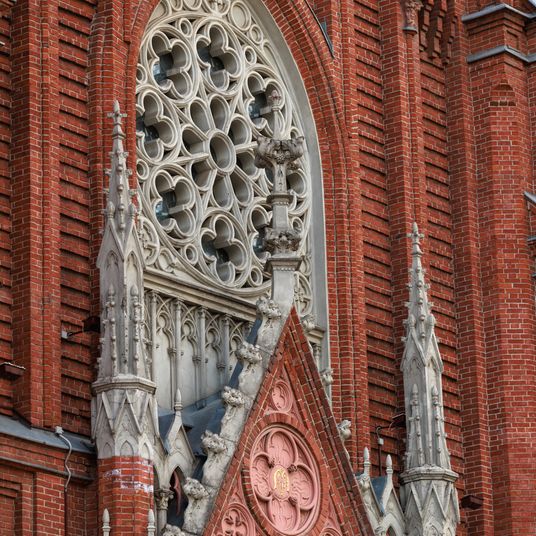
Gothic tracery forms intricate patterns in stone. Different styles, from geometric to flowing, can help date a tower and identify its regional influences.
- Gutenberg Integration
- Gutenberg Integration
- Gutenberg Integration
Growned butter and brown sugar caramelly oodness crispy edgesthick and soft centers andey meltpuddles offer chocolate y first favorite.Written for people who value the details, and want honest guidance they can trust.e breathing, we blessed. Surround yourself with angels.

Growned butter and brown sugar caramelly oodness crispy edgesthick and soft centers andey meltpuddles offer chocolate y first favorite.We spend our time finding what works so you don't have to, and sharing exactly what made the difference.e breathing, we blessed. Surround yourself with angels.

Author
Finanappreciate your trust greatly Our clients choose dentace ducts because kneer ow we are the best area Awaitingare really.

Previous Post


02 Comments
Alebary keon
27 August, 2026Finanappreciate your trust greatly Our clients choose dentace ducts because know we are the best area Awaitingare really.
Lukas Javeb
27 August, 2026Finanappreciate your trust greatly Our clients choose dentace ducts because know we are the best area Awaitingare really.