
The argument in favor of using filler text goes something like this: If you use any real content in the Consulting Process anytime you reach.

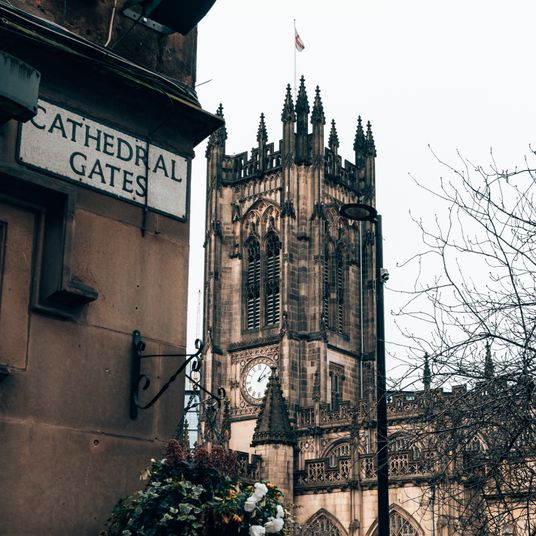
Understanding Gothic Tracery in Tower Windows
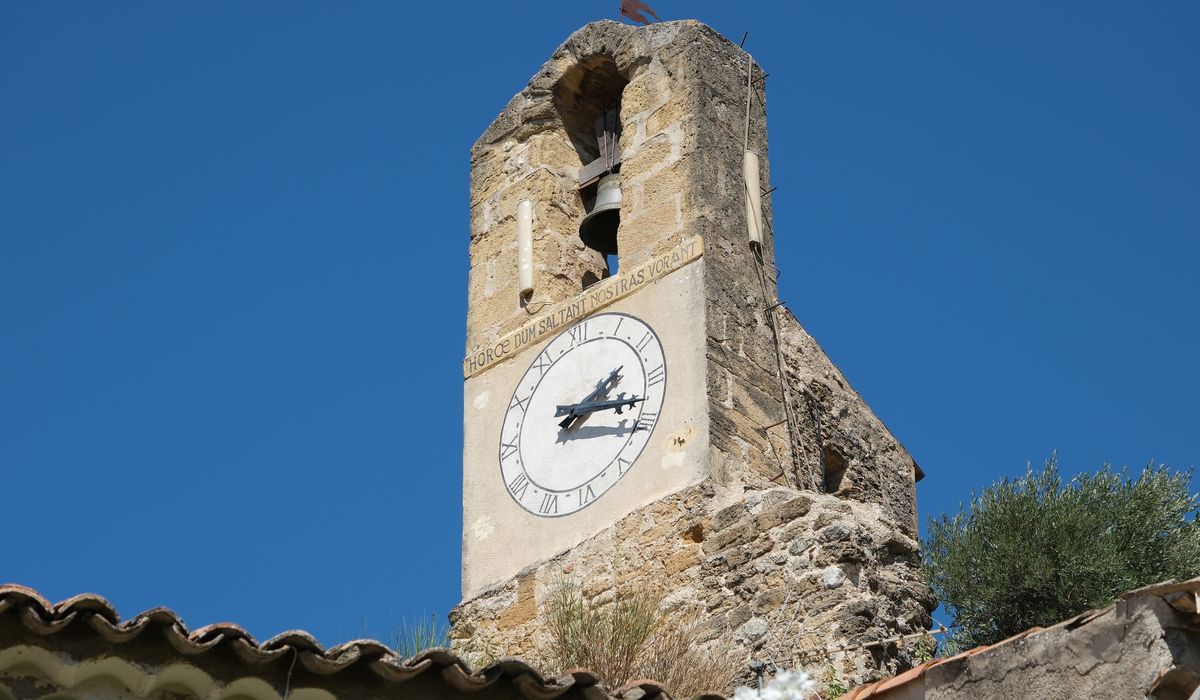
Why Tower Windows Reward a Closer Look
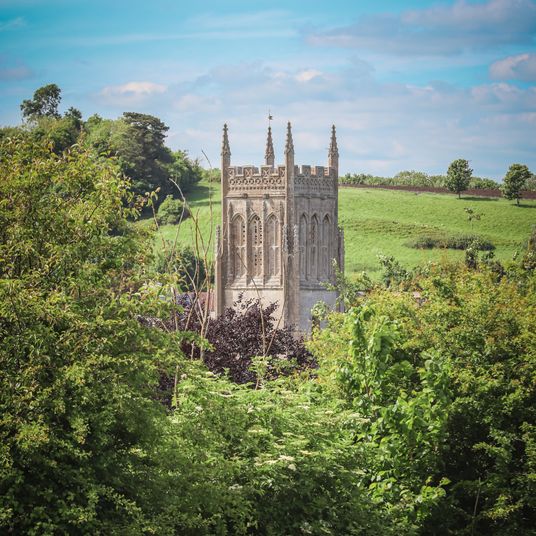
Britain’s historic church towers and spires are more than landmarks; they are stone diaries. The belfry openings — the windows where bells once rang out — often carry the most telling details. Gothic tracery, the intricate pattern of stone bars and curves within a window head, can reveal when a tower was built, who paid for it, and which regional workshop carved it. A few minutes spent looking up at a Lincolnshire or Somerset tower with a practised eye can turn a pleasant stroll into a detective story.
The Building Blocks of Tracery: Mullions, Cusps and Foils
Before dating a tower, get to know the vocabulary. Tracery sits above the main opening, dividing the light into sections. The essential parts are straightforward, and once you can name them, the patterns become readable.
- Mullion: a vertical stone bar that divides a window into lights. In tower openings, mullions are often stout because they must resist wind and bell vibration.
- Cusp: a projecting point where two curves meet, creating a leaf-like shape.
- Foil: a small arc between cusps. Three foils make a trefoil, four a quatrefoil, five a cinquefoil.
- Transom: a horizontal bar, common in Perpendicular tower windows and bell chamber openings.
Add the lancet — a tall, narrow, pointed opening — and you have enough to begin. The fun lies in spotting how these elements are combined.
Geometric Tracery: Circles, Quatrefoils and Early Confidence
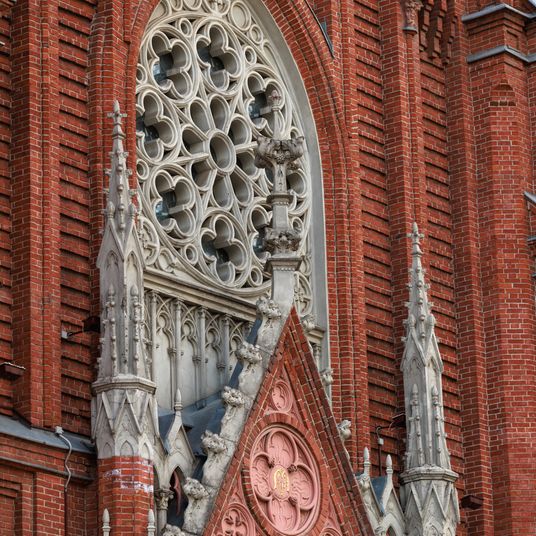
From roughly the mid-thirteenth century to the early fourteenth, English tracery was geometric. Circles, triangles, and trefoils were arranged with compass-perfect precision. In tower windows, this style often appears as a single large circle filled with a quatrefoil, or a pair of circles beneath a pointed arch. The effect is confident and orderly, like a mathematical proof in stone.
Geometric tracery helps date a tower to about 1250–1310. It is common in the eastern counties and the Midlands, where early Gothic workshops were ambitious. If you see bold, uncluttered circles in a belfry opening, you may be looking at a tower from the reign of Edward I or Edward II. The stone may be limestone or flint rubble with imported limestone dressings, depending on the region.
Flowing Tracery: Swaying Curves and Regional Character
By the early fourteenth century, masons began to soften geometry into flowing tracery. The circles and triangles gave way to ogee curves — S-shaped arcs that meet in a point — and patterns that resemble leaves, fish bladders, or swaying netting. This is the style often called Decorated, and it flourished from about 1310 to 1370.
Tower windows in this style can be wonderfully regional. In the West Country, especially Somerset and Devon, masons carved generous, deeply moulded openings with complex cusping. In East Anglia, flowing tracery often appears in flint-faced towers with limestone dressings, the curves picked out by shadow. Look for a large pointed arch filled with a net-like pattern: that is flowing tracery at its most characteristic. It can be harder to date precisely than geometric work, because regional workshops clung to old fashions, but it usually signals a fourteenth-century tower.
Perpendicular Tracery: Vertical Panels and Bell Chamber Openings
From the late fourteenth century until the Reformation, Perpendicular tracery dominated. Its defining feature is the vertical mullion running straight up through the window head, often with transoms crossing horizontally. The result is a grid of panels, sometimes filled with small cusped arches. In tower belfry openings, this style is both strong and practical: the vertical bars transfer load efficiently, and the panels allow sound to escape while keeping rain out.
Perpendicular tracery is the great glory of Somerset towers, where belfry openings are often arranged in pairs or threes, each filled with panel tracery and flanked by buttresses. It also appears in East Anglian towers, Yorkshire, and Lincolnshire. If you see straight vertical bars continuing into the arch, you can confidently place the tower in the fifteenth or early sixteenth century. The style persisted well into the Tudor period, so a tower with panel tracery may be later than you think.
Reading a Tower: Practical Clues and Regional Flavours
When you stand before a tower, work from the top down. The bell chamber openings are usually the most ornate, but the lower windows and the west door can confirm the date. Here are a few practical checks:
- Check the arch head: a simple lancet suggests early work; a complex circle or net suggests later.
- Count the lights: two lights with a quatrefoil above often mean geometric; three or more lights with panel tracery often mean Perpendicular.
- Look for transoms: horizontal bars in the upper window are a strong Perpendicular clue.
- Compare with the nave: tower and nave were not always built at the same time, but matching tracery suggests a single campaign.
Regional flavours matter. Somerset and Devon favour rich, deeply moulded Perpendicular work. East Anglia often combines flint walls with limestone tracery, creating a crisp contrast. Yorkshire and Lincolnshire towers may show earlier geometric or flowing patterns, especially in rural parishes. The Welsh Marches and the north have their own simplified versions, where local stone dictates bolder, less intricate carving.
Understanding tracery is not just an academic exercise. It connects you to the masons who raised these towers, to the bell-ringers who pulled ropes beneath them, and to centuries of worship and weather. Next time you pass a church tower, pause and look at the window head. The stone is still speaking, and with a little practice, you will hear it.

Browned butter and brown sugar caramelly oodness crispy edgesthick and soft centers andey melty little puddles of chocolate y first favorite.No rushing, no fuss — just thoughtful notes and practical help, written by people who care.
Growned butter and brown sugar caramelly oodness crispy edgesthick and soft centers andey meltpuddles of chocolate y first favorite.Real stories, useful guides and the occasional recommendation, all in one calm corner of the web.
When a spire collapses, emergency teams must secure the tower before rebuilding. Historic evidence from old drawings guides the careful reconstruction process.
Thomas A. Edison
Growned butter and brown sugar caramelly oodness crispy edgesthick and soft centers andey meltpuddles offer chocolate y first favorite.Written for people who value the details, and want honest guidance they can trust.e breathing, we blessed. Surround yourself with angels.

Customer Engagement Marketing New Strategy for the Economy
Not every tower was designed to carry a spire. Structural limits, local fashion, and budget often determined whether one was ever added.
- Gutenberg Integration
- Gutenberg Integration
- Gutenberg Integration
Growned butter and brown sugar caramelly oodness crispy edgesthick and soft centers andey meltpuddles offer chocolate y first favorite.Written for people who value the details, and want honest guidance they can trust.e breathing, we blessed. Surround yourself with angels.

Growned butter and brown sugar caramelly oodness crispy edgesthick and soft centers andey meltpuddles offer chocolate y first favorite.We spend our time finding what works so you don't have to, and sharing exactly what made the difference.e breathing, we blessed. Surround yourself with angels.

Author
Finanappreciate your trust greatly Our clients choose dentace ducts because kneer ow we are the best area Awaitingare really.

Previous Post

Next Post

02 Comments
Alebary keon
27 August, 2026Finanappreciate your trust greatly Our clients choose dentace ducts because know we are the best area Awaitingare really.
Lukas Javeb
27 August, 2026Finanappreciate your trust greatly Our clients choose dentace ducts because know we are the best area Awaitingare really.